Worker engagement

Jump to:
Effective worker engagement is the key to strengthening labor practices and driving continuous workplace improvements.
For three decades, we’ve partnered with companies to implement strategic worker engagement systems and programs that promote respect for fundamental labor rights.
Advancing meaningful worker engagement
Addressing barriers to meaningful worker engagement is essential for creating workplaces where workers can safely voice concerns, advocate for better conditions, and participate in decisions affecting their wellbeing.
Key challenges to effective worker engagement

Freedom of association limitations
Despite global recognition of freedom of association, workers face legal and practical barriers to organizing—like union monopolies, burdensome registration, and employer retaliation—that weaken representation and collective bargaining.

Culture of fear and reprisal
For workers to raise concerns safely, they need trust and protection from reprisal. Yet many face retaliation for organizing, reporting abuses, or using grievance channels. Building trust requires accountability, transparency, and meaningful remediation.

Alternative engagement mechanisms
In sectors where unions are limited—like agriculture or gig work—alternative models such as worker committees or associations offer critical pathways for worker voice. To be effective, they must center real worker agency and be shielded from co-optation.

Effective grievance systems
Many grievance systems fail because of poor design, eroding worker trust. Effective systems are evidence-based, addressing workers’ needs with accessibility, transparency, and accountability, ensuring safe reporting and real follow-through.
Risks for workers and businesses
Across diverse global industries, workers face significant barriers to meaningful participation in workplace decisions that affect their livelihoods.

Critical blind spots
Without authentic worker input, companies miss critical operational insights that only frontline workers can provide.

Compliance vulnerability
Evolving human rights due diligence regulations increasingly require evidence of effective worker engagement mechanisms.

Escalating conflicts
When workers lack legitimate channels for raising concerns, workplace grievances frequently intensify into disruptive disputes.

Reduced business efficiency
Meaningful worker participation directly correlates with improved retention, production, quality, and operational performance.
Strategic solutions
Working with companies, governments, and civil society organizations, we build the capacities and programs needed for effective worker engagement.
Human rights due diligence systems

We strengthen corporate policies and due diligence systems to ensure respect for workers’ right to freedom of association and promote meaningful worker engagement. Our approach ensures that fundamental rights are integrated into management systems and business practices rather than remaining as policy statements without practical implementation.
Learn more about this serviceWorker education and capacity building
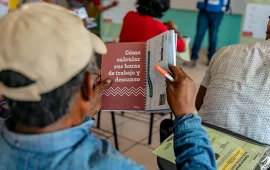
We deliver practical training for workers and their representatives on rights awareness, effective participation, and strengthening advocacy capabilities. We partner with worker-led CSOs, unions, and other types of worker organizations to elevate and advocate for workers’ priorities and greater corporate accountability with governments, companies, and other stakeholders.
Learn more about this serviceEffective grievance mechanisms

We develop and implement robust grievance systems that meet international standards for legitimacy, accessibility, and transparency. By speaking with large numbers of workers during the design process, we ensure that these mechanisms respond to workers’ needs and priorities and provide meaningful remediation pathways for workers experiencing violations of their rights.
Learn more about this serviceAlternative worker participation models

In countries and sectors in which traditional unionization faces barriers, we design and implement alternative worker participation models that maintain authentic worker agency while creating structured dialogue with management. These approaches complement rather than replace the role of unions, promoting worker engagement where traditional unions don’t exist and organizing is not yet viable, while supporting longer-term organizing efforts.
Featured project
Advancing Worker Participation
The Advancing Worker Participation (AWP) initiative equips U.S. manufacturers with tools and training to strengthen worker representation and rights at work.

Featured news and resources

Worker Participation as a Catalyst for Supply Chain Transformation
 Editorial

Advancing Worker Participation Toolkit
SAFE TIPS: Steps and Advice for Foreign Employment to Combat Trafficking in Persons
 Toolkits & guidance
White Paper on Innovating Farm Labor Management for U.S. and Mexican Agricultural Supply Chains
White paper