Americas
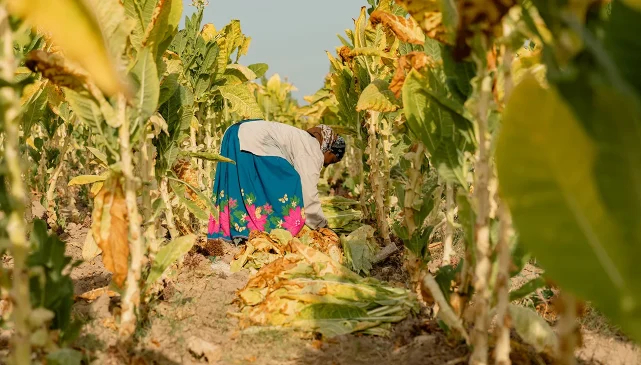

We provide strategic guidance through on-the-ground insights and first-mile supply chain expertise—where production begins and labor risks are highest.
Our Americas team addresses critical labor challenges with worker-centered solutions and strategic partnerships.
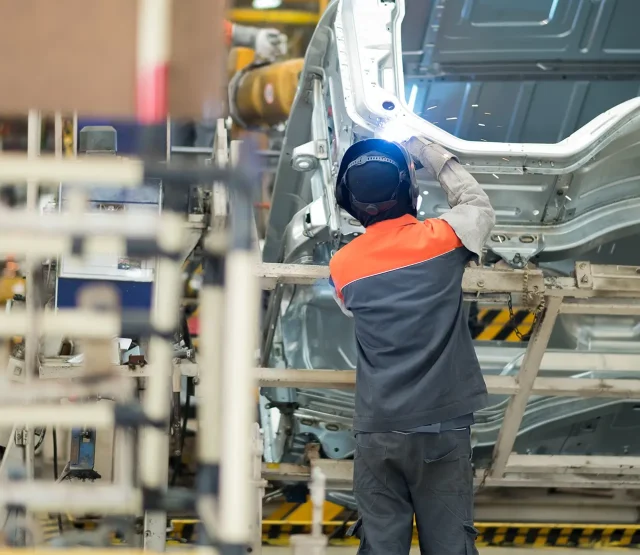
Our Americas focus issues
We help businesses, governments, and civil society identify and address critical labor risks that undermine workers’ rights.
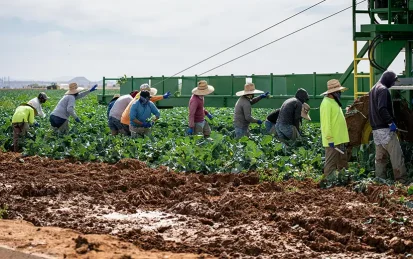
Forced labor and migrant workers
Cross-border workers face forced labor risks and exploitation through deceptive recruitment, debt bondage, and document retention, among other issues.
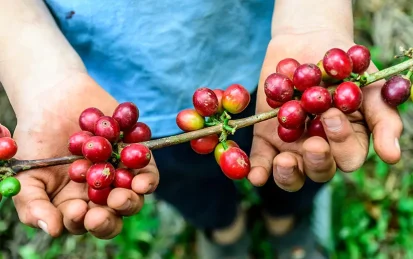
Child labor
Children work long hours under hazardous conditions and are denied access to education across agricultural and informal sectors.
Living wages
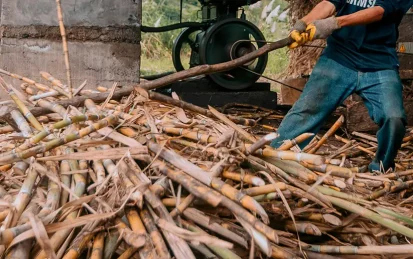
Workers are unable to meet their basic needs despite full-time employment in agricultural, manufacturing, and extractives supply chains.

Occupational health and safety
Workers are exposed to hazardous conditions, inadequate protections, and limited access to healthcare across a wide range of sectors.
Ethnic and gender-based discrimination
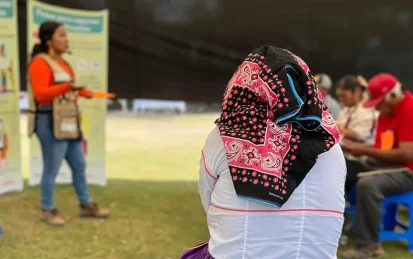
Indigenous and Afro-descendant workers and women face systemic discrimination, in hiring, treatment, and working conditions.

Freedom to organize
Systematic barriers prevent workers from organizing or engaging in collective bargaining, especially in informal employment in sectors like agriculture, where unions are almost nonexistent.
Country spotlight
Explore our work in the region.
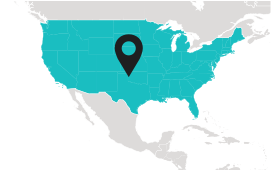
U.S. industries often rely on migrant and economically disadvantaged workers through complex subcontracting networks with insufficient oversight, enabling forced and child labor.
We work to reduce these risks and prioritize worker rights by mapping and researching labor risks, advocating for stronger legislation on labor rights in domestic production and imports, and advising companies on effectively addressing labor risk and violations in their supply chains.
Priority sectors
- Food and agriculture
- Manufacturing
- Meatpacking
- Service providers
- Electronics
- Seafood
- Mining
- Electronics

Informal employment, migration, and subcontracting in Mexican agriculture and industry create risks for forced and child labor, discrimination, and wage, hour, and health and safety violations.
We provide comprehensive human rights due diligence services to companies sourcing raw materials and operating supply chains in Mexico, including risk assessments, responsible sourcing, and ethical recruitment guidance. Our work includes strengthening government capacity to identify and prevent labor abuse, as well as engaging workers through labor rights training to increase worker agency.
Priority sectors
- Automotive
- Apparel and footwear
- Avocados
- Cocoa
- Coffee
- Electronics
- Tobacco
- Sugarcane
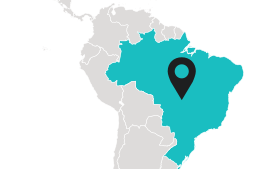
Workers in Brazil face risks of forced labor, informal recruitment and employment, and inequality, especially in agriculture and extractive industries.
Through strategic partnerships with smallholder farmers, suppliers, buyers, worker organizations, civil society, and local government, we build awareness and capacities to identify labor risks, strengthen labor protections, and ensure responsible sourcing.
Priority sectors
- Coffee
- Cocoa
- Palm oil
- Carnauba
- Sugarcane
- Orange juice

Workers in Colombia face elevated risks of labor exploitation, especially among populations affected by displacement, discrimination, and informal employment, which is widespread in agriculture and informal mining.
Through field research, workplace assessments, and worker interviews, we map supply chain risks and guide companies toward stronger risk management systems and better implementation of inclusive, rights-based labor practices.
Priority sectors
- Coffee
- Cocoa
- Palm oil
- Bananas
- Flowers
- Mining

In Guatemala, widespread poverty, inequality, and migration lead to high levels of vulnerability to exploitation in agriculture and manufacturing. This includes child labor, forced labor, and discrimination.
We identify and build awareness of these risks while strengthening labor standards enforcement. Our work advances responsible sourcing approaches that prioritize worker empowerment and rights protection through partnerships with the private sector, government, and civil society.
Priority sectors
- Coffee
- Palm oil
- Sugarcane
- Bananas
- Mining
- Apparel and footwear
Featured project
Cooperation on fair, free, equitable employment (COFFEE) project
The COFFEE Project pilots tools, training & a risk dashboard in Brazil, Colombia & Mexico to eliminate labor abuses and improve coffee-sector conditions.

Featured project
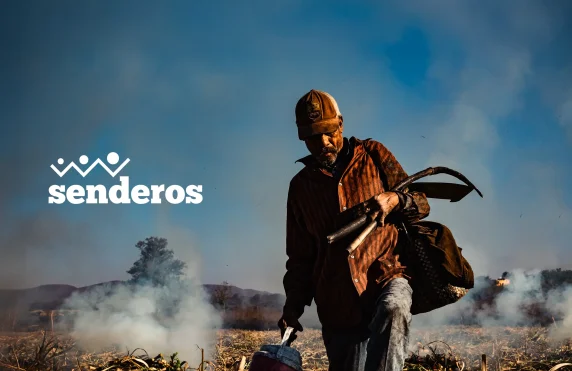
Senderos Project
A four‑year initiative in Mexico’s sugarcane & tobacco sectors empowering government, companies, and farmworkers to enforce labor rights, prevent child and forced labor, and improve health, safety, and grievance tools.
For more information, contact our regional experts