Workplace discrimination
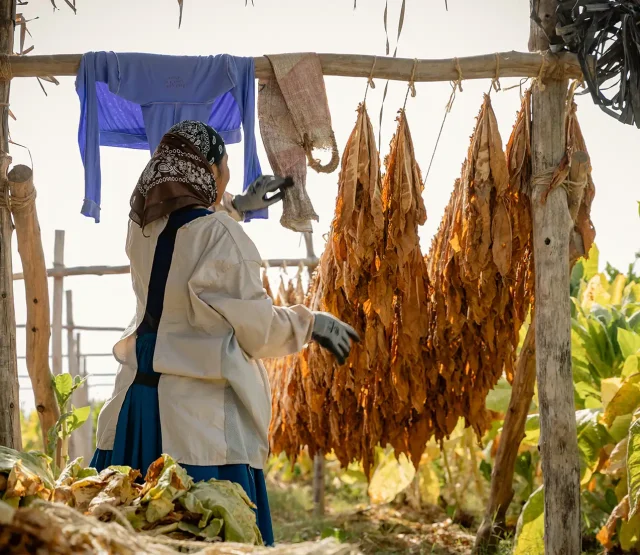
Discrimination is unfair treatment based on identity or status
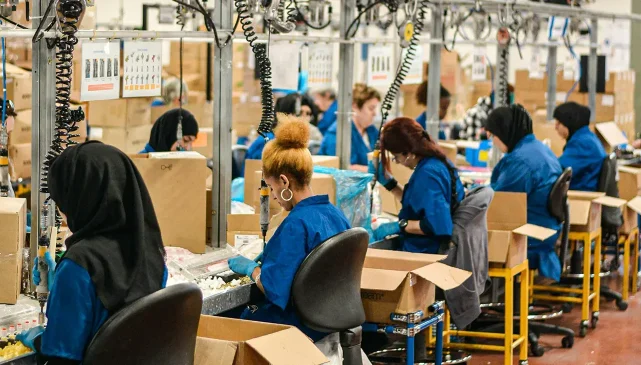
It can occur across the supply chain—from farms to factories to retail—and often targets individuals based on race, gender, religion, disability, nationality, pregnancy, union status, or other traits.
Without deliberate action, marginalized groups face unequal treatment and unsafe working conditions.
Core issues of workplace discrimination

Pay gaps and wage discrimination
Women, migrants, minorities, and disabled workers are often paid less for the same work. Piece rates can hide gaps. Discrimination also shows in selective wage withholding or union targeting.

Gender-based violence and harassment
Workers may face abuse based on gender identity or expression—from supervisors, coworkers, or others. Fear of retaliation keeps many, especially migrants or temps, from reporting.

Barriers to grievance mechanisms
Language, literacy, or retaliation risks can block workers from using grievance systems, leaving many without real access to fair complaint processes or remedies for workplace issues.

Discriminatory task assignments
Workers may be unfairly given dangerous, lower-paid, or unpaid tasks due to gender, caste, ethnicity, or nationality. Women often face added unpaid duties like cleaning or childcare.

Exclusion during recruitment and hiring
Workers may be excluded or funneled into informal jobs based on gender, age, ethnicity, or nationality, denying them protections and benefits, with women and migrants most at risk.

Lack of accommodation for specific needs
Workers lose access to jobs, training, or benefits when employers fail to accommodate religious needs, pregnancy, disability, or childcare—limiting equal opportunities.
Targeted interventions
Verité partners with companies to identify, prevent, and address discrimination risks through comprehensive systems-level approaches that include the following services.
Original field research on risks and root causes

We conduct in-depth, on-the-ground research to uncover the prevalence and characteristics of discrimination in specific sectors and regions, examining systemic gaps, contextual factors, and underlying causes, which enables companies to implement effective actions to reduce recruitment-related risks in their supply chains.
Learn more about this serviceWorkplace and supplier assessments

Our specialized workplace assessments go beyond compliance checklists, capturing hidden discrimination risks through worker interviews designed to identify different forms of discrimination.
Learn more about this serviceSupply chain risk mapping

We support businesses in mapping their supply chains to identify where discrimination risks are highest, particularly in certain countries and sectors and informal, remote, or subcontracted operations, to identify high priority areas for intervention.
Learn more about this serviceTraining and capacity building
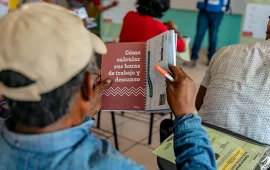
We deliver practical training for suppliers, recruiters, company staff, and workers on identifying, preventing, and addressing discrimination, tailored to specific sectors and geographies.
Learn more about this serviceHuman rights due diligence integration

We help companies embed anti-discrimination principles into broader human rights due diligence frameworks, including governance, monitoring, remediation, and supplier engagement strategies.
Learn more about this serviceFeatured project
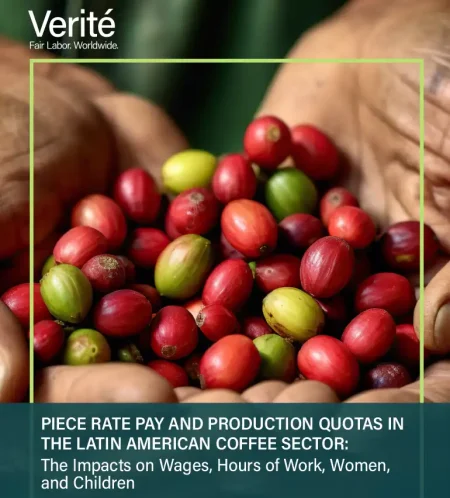
COFFEE Project
Tools and resources to help identify and eliminate discrimination in coffee supply chains.

Featured project
Forced Labor Indicators Project (FLIP)
Resources connecting discrimination to forced labor indicators.