 Update
17 December 2024
Update
17 December 2024
Search results
Showing results 221-230 of 406 for "forced_labor/page/35/_gravityform_id=4/page/21/page/23/page/22/page/20/page/22/page/21/page/19/page/17/page/31/page/33/page/34/page/21"
Update
17 December 2024
Mexico: LOCAL Initiative Promotes Collaborative Impact Approach among Municipal Stakeholders
This year, Verité launched the four-year Liderazgo, Organización y Colaboración para la Acción Colectiva en Temas Laborales (LOCAL) program, an initiative designed to foster locally-led collaborative strategies to address child and forced labor risks in Mexico’s agricultural sector.
Livestock
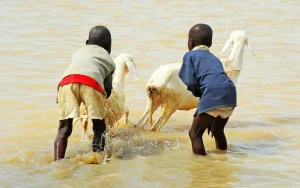
Livestock production in Sub‑Saharan Africa exposes workers to trafficking and exploitation through child labor, forced labor, unsafe conditions, and opaque hiring systems. Livestock is a vital livelihood across Sub‑Saharan Africa, with most production run by smallholders using family labor and a growing export trade in live animals and meat from countries like South Africa, Namibia,...
 Update
11 December 2023
Update
11 December 2023
Online Training for Procurement Professionals in Healthcare Systems
This is a training developed for professionals in healthcare systems involved in the procurement of goods and services. It examines the risk of forced labor and labor trafficking in healthcare, specifically regarding supply chains and service providers. This free course has no prerequisites.

Coltan, tungsten, and tin
Coltan, tungsten, and tin are sourced from regions where forced and child labor have been documented. In the Democratic Republic of the Congo, all three minerals are tied to both forced and child labor. Tin production in Bolivia and Indonesia has also been linked to child labor. Complex artisanal mining systems and weak oversight allow...
 Update
1 August 2025
Update
1 August 2025
Findings from the field: New research in Ghana and Côte d'Ivoire focused on migrant workers in the cocoa sector
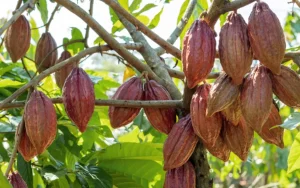
The cocoa sector in West Africa depends on migrant labor—but too often, they work without the protections they need. Informal hiring, lack of formal contracts, and limited access to services leave many migrant workers in Ghana and Côte d’Ivoire exposed to risk. Two new reports, produced through a partnership between Verité and leading research institutions...
 Webinar
25 January 2023
Webinar
25 January 2023
Webinar: Traceability for Supply Chain Due Diligence and Sustainability in the Garment Sector
Save the date for Complimentary Webinar "Traceability for Supply Chain Due Diligence and Sustainability in the Garment Sector" on February 13th, 2023 at 12 PM - 1 PM (EST).

 Editorial
16 August 2023
Editorial
16 August 2023
Verité’s COFFEE project featured in Daily Coffee News by Roast Magazine
As organizations working to address human trafficking and labor exploitation, we are appalled by the horrific conditions children experienced after fleeing to the United States for refuge. This series in the New York Times demonstrates our government’s inability, unwillingness, or outright refusal to protect minors from forced labor.
 Editorial
14 May 2024
Editorial
14 May 2024
Worker Participation as a Catalyst for Supply Chain Transformation
As companies look to uphold ethical labor practices in their supply chains, a major challenge arises - how to promote worker freedom of association (FoA) rights in places where union rights are legally restricted? Furthermore, the corporate accountability landscape is shifting toward government regulation of supply chain compliance via transparency and due diligence mandates and trade sanctions. Considering this, how must companies reassess the prevailing practices in their supply chains that create obstacles and suppression of rights, even in countries where union rights are less restrictive on pape

Djibouti
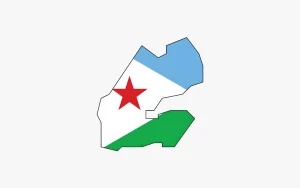
Djibouti’s strategic position as a migration and trade hub renders its fragmented sectors highly susceptible to trafficking risks. The country’s livestock, agriculture, and fishing industries include vulnerable workers such as children and migrants recruited under precarious conditions. Its porous maritime borders and reliance on informal migration routes further expose populations to forced labor and sexual...
Fish
Coastal and inland fisheries support millions, yet structural labor weaknesses expose workers to trafficking and exploitation. Across Sub‑Saharan Africa, both artisanal and industrial fishing—including marine, inland, and aquaculture sectors—employ millions and contribute significantly to GDP in countries like Mauritania, Senegal, and Tanzania. Fragile supply chains, weak oversight, widespread hazardous work, labor intermediaries, and documented instances...
