Webinar
25 September 2023
Webinar
25 September 2023
Search results
Showing results 301-310 of 406 for "forced_labor/page/35/_gravityform_id=4/page/4/page/21/page/23/page/21/page/22/page/21/page/23/page/41/page/31/page/41/page/42/page/30/"
Webinar
25 September 2023
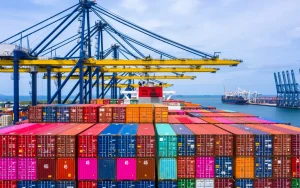
Webinar: Introducing the Supply Chain Traceability Matrix
Do you have questions about traceability in supply chains? Are you interested in learning about how traceability can support labor due diligence? This webinar will introduce the Supply Chain Traceability Matrix, a free resource developed by Verite’s Supply Chain Tracing and Engagement Methodologies (STREAMS) Project for leveraging traceability to support labor rights in global supply chains.
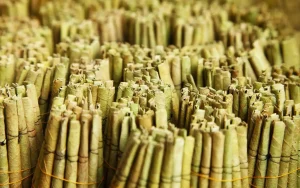
Tobacco
Tobacco production in Sub-Saharan Africa is fraught with trafficking and exploitation risks, including child labor, tenant farming abuse, and hazardous seasonal work. Most production takes place in Zimbabwe, Malawi, Mozambique, Tanzania, and Zambia, where tenant farming and seasonal work create deep vulnerabilities. In Malawi, tenant farmers often fall into debt bondage, going unpaid for months...
For governments
This section of the Fair Hiring Toolkit provides a tailored introduction to the materials for governments and public policy actors, including an overview of the most relevant tools and guidance with an explanation of how these tools can support the work of governments and other public policy actors.
Lori Stamm
Lori is the Director of Supplier Assessment and Improvement Programs, where she oversees Verité’s global onsite supplier assessments and improvement programs. This program aims at identifying, addressing, and preventing migrant labor, forced labor, and other violations of workers’ human and labor rights in large supply chains of multinational corporations. Before joining Verité, Lori worked at...

Quinn Kepes
Quinn has worked at Verité for over 19 years providing businesses, investors, governments, intergovernmental organizations, workers, and civil society organizations with actionable, research-backed insights and tools to combat labor and human rights risks in global supply chains. Quinn leads Verité’s work in the Western Hemisphere, leveraging his extensive expertise in desk and field research, project...

Cameroon
Cameroon’s blend of export-oriented agriculture and informal labor markets embeds trafficking vulnerabilities across multiple sectors. Children and displaced individuals face heightened risks in export-driven agriculture, particularly in cotton, tea, and cocoa. Artisanal gold mining, gravel extraction, fishing, and construction also expose workers to exploitation. Key exports such as mineral fuels, wood, fruits, nuts, and aluminum...

Sierra Leone
Historic conflict, pervasive poverty, and a largely informal workforce amplify trafficking risks in Sierra Leone. Though the country has been politically stable since its civil war ended in 2002, Sierra Leone continues to face structural challenges: more than 90 percent of employment remains informal, and mineral exports—including iron ore, wood, metals, cocoa, and fish—account for over...

Cabo Verde
Cabo Verde faces trafficking risks tied to child labor in agriculture and fishing, alongside vulnerabilities among migrant and informal workers. Although Cabo Verde is relatively stable with key exports in fish, garments, and animal hides, trafficking risk persists, particularly among children in export supply chains such as agriculture and fishing. Migration, both outgoing and incoming,...

 Editorial
14 July 2021
Editorial
14 July 2021
Two Years. One Coalition.
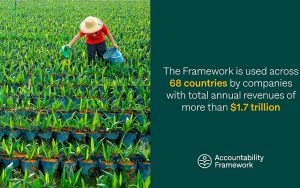
Verité is active on many fronts to bring our labor rights experts together with those protecting the natural environment. We believe strongly that supply chain “sustainability” is best pursued holistically with the needs of people, communities, and ecosystems considered and approached in complementary ways. One significant effort has been our participation in the Accountability Framework Initiative (AFi).
 Update
19 November 2020
Update
19 November 2020
Rethinking Responsibility in Our Supply Chain
Labor issues are complex and deeply entrenched in recruitment malpractices. Many migrant workers are forced to pay excessive recruitment fees that keep them in debt, effectively placing them in situations of forced labor and exploitive working conditions. Last month, Jet Urmeneta, Senior Director of Capability Building and Consultancy at Verité Southeast Asia, presented a masterclass on...