Search results
Showing results 251-260 of 406 for "forced_labor/page/34/_gravityform_id=4/page/30/page/50/page/47/page/20/page/10/page/12/page/11/page/13/page/12/page/20/page/22/page/24/page/26/page/27/"
Ethical recruitment in Brazil - Why Should Businesses Care?
Why businesses should care about ethical recruitment practices in Brazil.

The importance of involving your suppliers in the design of due diligence programs
Andrea Galvez, Verité’s First Mile Due Diligence Lead on why brands need to take supplier engagement seriously in designing their human rights due diligence plans.

For multi-stakeholders
This section of the Fair Hiring Toolkit provides a tailored introduction to the materials for multi-stakeholder and multi-brand initiatives. An overview of the most relevant tools and guidance is provided, with an explanation of how these tools can support the work of multi-stakeholder and multi-brand initiatives.
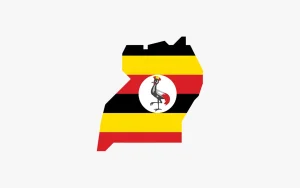
Uganda
Structural inequality, informal labor, and weak enforcement magnify trafficking vulnerabilities across Uganda’s commodity supply chains. Uganda remains classified as a low-income country and relies heavily on agriculture—employing roughly 72% of the workforce—alongside exports like coffee, petroleum, cement, and sugar. Documented trafficking risks span agriculture, fishing, forestry, herding, mining, stone quarrying, brick making, carpentry, and manufacturing. Women...
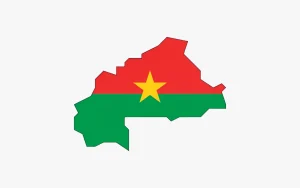
Burkina Faso
With agriculture and gold mining employing the vast majority of its workforce, Burkina Faso faces elevated trafficking risks deeply embedded in rural supply chains. Cotton and gold sectors rely heavily on child, seasonal, and migrant labor. Cotton producers have been linked to coercive recruitment by intermediaries and delayed or withheld payment arrangements. Artisanal gold mining...
Madagascar
Political instability, economic fragility, and widespread informality in Madagascar create deep vulnerabilities to trafficking. The U.S. Trafficking in Persons Report notes trafficking risks in mining, fishing, agriculture, and domestic service, where weak protections leave workers exposed. Children are particularly vulnerable to forced labor and sex trafficking, with cases documented across both rural and urban settings....

Elizabeth Garland, Ph.D.
A cultural anthropologist by training, Elizabeth joined Verité in 2014, bringing more than 25 years of deep, field-based experience to her role as Chief Program Officer at Verité. Elizabeth is responsible for oversight of the organization’s global programming portfolio As a distinguished labor rights expert in the prevention and remediation of child labor, forced labor,...

 Update
31 March 2022
Update
31 March 2022
What We're Talking About in March
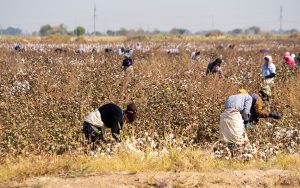
Working to End Forced Labor for Cotton Workers in Central Asia | New report on forced labor goods and Department of Defense (DOD) commissaries and exchanges | Commission sets out strategy to promote decent work worldwide | More than 2 billion workers make up the informal economy
Zimbabwe
Severe economic instability, longstanding inequality, and weak enforcement amplify trafficking risks across Zimbabwe’s mining and agricultural sectors. Following periods of hyperinflation and political unrest, Zimbabwe faces entrenched economic hardship despite slow recovery. Its exports—especially gold and diamonds—are critical but also associated with forced labor in mining and cattle herding, as well as sex trafficking. Informal...

Seychelles
High living standards and robust legal protections coexist with persistent threats to migrant workers in Seychelles’ fishing and export zones. While Seychelles boasts a Tier 1 ranking in the U.S. Trafficking in Persons Report—reflecting its strong anti-trafficking framework—the country still faces exploitation of migrant labor. Migrants, who make up about 25% of the workforce, work in...
