Search results
Showing results 311-320 of 406 for "forced_labor/page/34/_gravityform_id=4/page/30/page/20/page/18/page/16/page/15/page/13/page/15/page/40/page/30/page/31/"
Vegetables
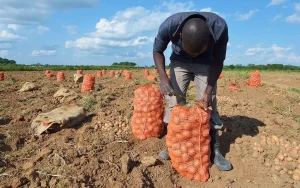
Vegetable farming in Sub‑Saharan Africa hinges on short harvest cycles and fragmented supply chains that intensify trafficking risks. Export crops like green beans, peas, broccoli, and onions are cultivated across Kenya, South Africa, Uganda, Tanzania, and Ethiopia. Much production comes from smallholder farms—up to 90% of Ethiopian farms are under two hectares—with increasing consolidation by...
Rubber
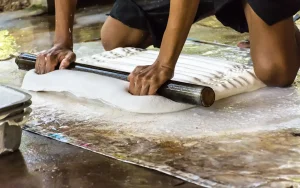
Growing demand for rubber across Sub‑Saharan Africa brings economic opportunity—but underlying labor vulnerabilities heighten trafficking risks. Production is concentrated among smallholder farms in countries such as Côte d’Ivoire, Liberia, Ghana, Cameroon, and Nigeria, making the supply chain long, opaque, and difficult to trace. Tasks like planting, tapping, pruning, and processing are labor-intensive and hazardous, with...
 Update
16 December 2020
Update
16 December 2020
Verité por los Trabajadores | Verité for the Workers
Lograr el cumplimiento de los derechos humanos en los ambientes laborales sigue siendo un reto en muchas industrias del mundo. Pese a que se ha establecido el derecho a tener un trabajo que provea de una remuneración justa y que permita una vida digna para los trabajadores y sus familias, hoy todavía no podemos decir que este derecho está garantizado. --- Achieving compliance with human rights in the workplace remains a challenge in many industries around the world. Although the right to have a job that provides fair remuneration and that allows a decent life for workers and their families has been established, today we still cannot say that this right is guaranteed.

Tea
Tea cultivation in Sub‑Saharan Africa relies on a labor-intensive, perishable harvest that stretches worker vulnerabilities to trafficking. Across key producers like Kenya, Uganda, Rwanda, Malawi, and Tanzania, smallholders and estate workers face seasonal surges in demand, piece-rate pay, and weak bargaining power—especially for small-scale farmers competing against commercial estates. Hazardous tasks such as weeding, plucking,...
 Update
17 December 2024
Update
17 December 2024
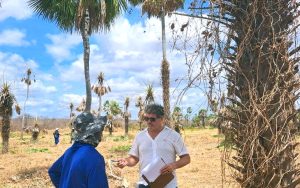
Brazil: Carnauba Wax and the Invisible Workers Behind this Essential Ingredient
Most people have never heard of carnauba wax, yet this remarkable substance from palm trees in northeastern Brazil is a crucial ingredient in products we use every day—from gummy bears and lipstick to smartphones and pharmaceuticals. Behind this invisible ingredient, carnauba workers—oftentimes migrant laborers from across Brazil
Ghana
Ghana’s reliance on exports and a dominant informal labor market stretch protections and deepen trafficking risks across its key supply chains. As a lower-middle-income country with significant gold, cocoa, oil, and gas exports, Ghana benefits from relative political stability and investment appeal. Yet nearly half the labor force works in agriculture and roughly 90% in...
Malawi
Fragile political stability, climate shocks, and high informality weaken Malawi’s capacity to combat trafficking across its main export sectors. Malawi is classified by the World Bank as a low‑income economy, grappling with a fiscal deficit linked to external shocks like Cyclone Idai and political unrest following controversial elections. Agriculture contributes about one-third of GDP, accounts...

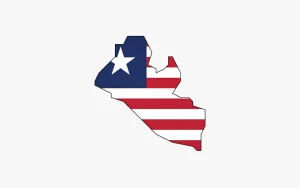
Liberia
Fragile institutions, entrenched poverty, and weak labor governance in Liberia create fertile ground for trafficking across mining, rubber, and agricultural sectors. As a low-income country with over 60% of its population under 25 and high poverty levels, Liberia’s economic engines—including gold mining, rubber plantations, and growing palm oil—operate within loosely regulated systems. The U.S. TIP...
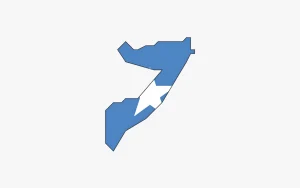
Somalia
Chronic conflict, displacement, and a vast informal economy entrench Somalia’s trafficking risks across multiple sectors. Despite its first-ever peaceful presidential transition, Somalia remains plagued by insecurity, constitutional delays, and fragile governance. Most formal infrastructure is destroyed, leaving roughly 95% of economic activity informal, centered on livestock, remittances, and limited telecommunications. Key risks emerge in agriculture,...
Child labor
We help companies develop targeted human rights due diligence strategies to identify, prevent, and address child labor.
