Search results
Showing results 181-190 of 406 for "forced_labor/page/34/_gravityform_id=4/page/30/page/20/page/18/page/16/page/15/page/13/page/11/page/13/page/20/page/30/page/31/page/10/page/9/page/7/page/20/"
Strawberries
Strawberries, one of the world’s most consumed fresh fruits, are associated with forced labor and child labor in certain origin countries. In Burma, seasonal strawberry harvesting involves forced labor and trafficking of ethnic minorities. Argentina relies on child labor in agricultural production. After harvest, strawberries are often processed into syrups, jams, or juices—or frozen and...

 Editorial
5 February 2026
Editorial
5 February 2026
Where Is Forced Labor Risk Highest in Coffee? Why the Data Doesn’t Tell the Full Story
Coffee Sector HRDD Questions and Answers Series #1
Sugar
Sugar production is consistently associated with high risks of forced and child labor in multiple countries. Cultivation occurs on both large-scale plantations and through smallholder and outgrower systems, where recruitment abuses, indebtedness, and wage exploitation are common. The heavy physical demands of manual harvesting, coupled with weak labor protections, land conflicts, and documented health impacts,...

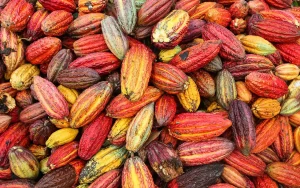
Cocoa
Soaring demand for West African cocoa fuels a seasonal, labor-intensive sector where low incomes and fragile supply chains drive trafficking risks. Smallholder farms, typically under five acres and dependent on cocoa for survival, struggle with low yields, pests, and lack of access to credit, health care, and education. These pressures, combined with reliance on seasonal...
 Update
2 July 2025
Update
2 July 2025
Publication of the STREAMS Traceability & Labor Due Diligence Resource Suite
We have just published a suite of resources focused on the intersection of traceability and labor due diligence.

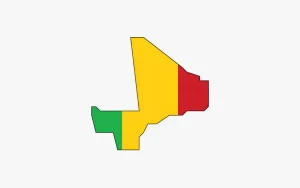
Mali
Persistent political instability and conflict in Mali weaken institutional protections and elevate trafficking risks across agriculture and mining. Since the 2021 coup, Mali has been governed by a military-led transitional administration, with elections delayed and armed groups controlling much of the northern regions. The economy is undiversified and classified as low-income, heavily dependent on volatile...
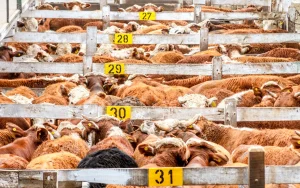
Cattle
Cattle and beef production are closely tied to exploitative labor conditions, including forced and child labor in several producing regions. Workers face low wages, debt bondage, disease exposure, and harsh environments, while weak oversight allows abuses to persist. The sector is also linked to deforestation, biodiversity loss, and complex supply chains that obscure the true...
 Update
9 May 2024
Update
9 May 2024
STREAMS Holds Workshop in New Delhi, India to Validate Findings from Traceability Field Pilots
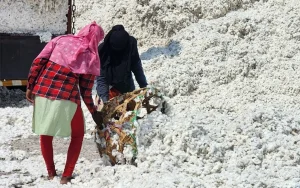
Companies face mounting pressures from consumers, regulators, and their own ethical and sustainability commitments when it comes to upholding workers' rights. Through two pioneering field pilots in the Indian cotton supply chain, Verité’s U.S. Department of Labor-funded Supply Chain Tracing and Engagement Methodologies (STREAMS) project is testing innovative approaches that combine supply chain traceability with robust labor rights due diligence. These pilots represent efforts to develop an evidence-base and resources that will help companies strengthen human rights due diligence efforts proactively, rather than reactively.
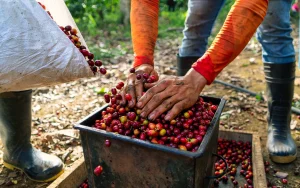
Coffee
Coffee, one of the world’s most traded commodities, is linked to forced and child labor in numerous producing countries. Seasonal labor surges, complex and opaque supply chains, and minimal oversight contribute to hazardous and exploitative conditions. Workers, often migrants or minors, face long hours, debt vulnerability, and exposure to dangerous conditions across regions where coffee...
South Africa
Persistent inequality, high informal employment, and historic migration patterns intensify trafficking risks across South Africa’s labor sectors. Despite a strong legal framework for labor rights, over half the working population remains in the informal economy, where protections are minimal and enforcement is weak. The HIV/AIDS epidemic and high child orphanhood have left many children vulnerable...
