Search results
Showing results 111-120 of 406 for "forced_labor/page/34/_gravityform_id=4/page/3/page/30/page/20/page/21/page/40/page/20/page/22/page/30/page/40/page/20/page/30/page/28/page/27//page/25//page/10"
Home-based garment production in Argentina: A hazardous business
The garment workshop fires at Luis Vial in 2006 and Calle Páez in 2015 put the spotlight on the conditions in which work is carried out in informal workshops. In the last years, as this workforce has moved out of the workshops and into individual homes, labor risks have increased due to a lack of...

COFFEE Toolkit
The COFFEE Toolkit offers actionable guidance for all coffee supply chain actors, from producers to brands, addressing the most critical labor risks. The Toolkit includes 20 downloadable and printable tools, 7 videos, and the interactive Risk Evaluation for Action in the Coffee Trade (RE-ACT) Dashboard. Developed in close alignment with USDOL’s Comply Chain Framework, all...

Workshops and home-based production: The hidden costs of the garment industry
In Argentina, employers, intermediaries, and workshop owners are jointly responsible for the wages, health, and social security of home-based garment workers. In practice, these workers have no bargaining power and bear the costs of inputs and production risks as if they were small business owners.

Between care and production: Life inside the home workshop
The fashion industry must produce large volumes in a short time, due to seasonal demand fluctuations. Employers must ensure regular hours and a minimum wage. When production is moved to workers’ homes, pressure increases and working hours are extended to avoid penalties, discounts, or threats.
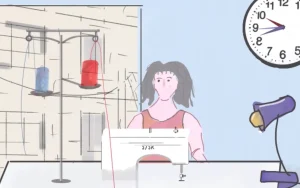
Flexibility or precarity: The thin line of informal work
The difficulties in finding formal employment that is compatible with caregiving responsibilities lead many people to accept flexible jobs. This allows them to balance certain tasks, but it should not reduce their responsibilities to their employer or deteriorate their working and family conditions.

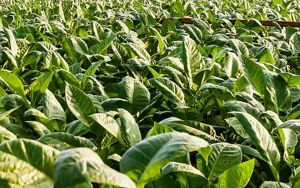
Tobacco
The cultivation and processing of tobacco involve complex production systems that are consistently linked to labor exploitation. Tobacco is widely reported to involve child labor, and in some contexts both forced and child labor, across major producing regions. Work is labor-intensive, requiring manual sowing, transplanting, weeding, topping, and hand-harvesting, followed by curing, cleaning, and further...
The Role of Corruption in International Labor Migration
A study examining global labor recruitment systems, their vulnerabilities to abuse, and the steps needed to make cross-border hiring fair and ethical. This report analyzes how international labor recruitment—particularly of migrant and contract workers—can lead to exploitation when oversight is weak and costs are shifted to workers. It outlines how deceptive recruitment, excessive fees, and...

Palm oil
Palm oil production, a global staple, is associated with forced labor, child labor, and trafficking in several producing countries. Workers often face hazardous conditions, including long hours, low wages, and exposure to harmful chemicals. The industry is characterized by complex supply chains, with palm oil produced on large plantations and smallholder farms. Certifications like the...

COFFEE Project Lessons Learned Report
An evaluation capturing the insights, impact, and best practices emerging from the COFFEE Project’s efforts to improve labor conditions in the global coffee sector. This report reflects on the outcomes of the COFFEE Project, which aimed to build ethical recruitment systems and fair labor standards throughout the coffee supply chain. Drawing on field implementation and...
Melon
Melon production is linked to child labor in countries such as Honduras, Mexico, Panama, and Paraguay. Cultivation and harvesting are labor-intensive, involving hazardous tasks like tilling, pesticide application, and bee management. Despite these risks, workers often face limited oversight and weak protections. Efforts to address these issues include union advocacy in Honduras and international projects...
