Search results
Showing results 351-360 of 405 for "forced_labor/page/34/_gravityform_id=4/page/3/page/20/page/21/page/40/page/30/page/31/page/30/page/31/page/20/page/40/page/39/page/37/page/39/page/37/"
Angola
Angola’s reliance on extractive and construction sectors deepens structural vulnerabilities, embedding trafficking risks in key supply chains. Oil dominates the economy—accounting for half of GDP, over 70% of government revenue, and more than 90% of exports—while diamond mining and agriculture underpin employment in rural regions. Weak labor enforcement and governance gaps enable trafficking risks in...

Worker agency and advocacy
Our work builds worker agency, strengthens government capacity, and drives policy advocacy to protect labor rights in global supply chains.

Research and insight
Our research identifies key drivers of labor and human rights risks, providing companies, investors, and advocates with the knowledge and insights needed to act ethically and source responsibly.

Comoros
Comoros’s geographic isolation, high youth population, and underperforming agricultural sector create a fragile environment in which trafficking risks can flourish. Fishing and agriculture, especially export-oriented crops, have seen children recruited into hazardous work, sometimes through smuggling networks from nearby Mayotte. Human smuggling networks exploit porous maritime boundaries, and the fishing supply chain is increasingly vulnerable...

Tools by stakeholder group
Explore the COFFEE Toolkit based on your stakeholder role—such as roaster, producer or auditor—to find the tools most applicable to your needs in the coffee supply chain.
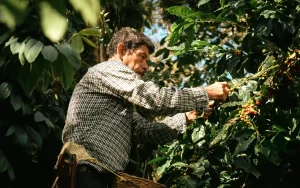
COFFEE Toolkit
The COFFEE Toolkit offers actionable guidance for all coffee supply chain actors, from producers to brands, addressing the most critical labor risks.
Flowers
Flower exports from Kenya, Ethiopia, South Africa, Zambia, and Tanzania bring significant revenue but also carry trafficking risks. Up to 17% of the global cut flower trade comes from Sub-Saharan Africa, where workers face hazardous conditions such as pesticide exposure, extreme heat, and poor ventilation. With women making up most of the workforce, risks include...

Resources for trainers
These training resources are designed to be used by stakeholders who have been capacitated by the Forced Labor Indicators Project (FLIP).

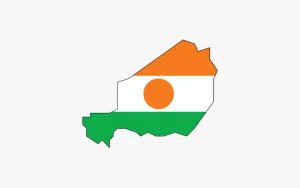
Niger
Persistent environmental threat, economic fragility, and regional insecurity leave Niger especially vulnerable to trafficking in agriculture and mining sectors. Niger has recently had its first peaceful presidential transition, yet it still grapples with serious threats—from climate change and poverty to instability spilling over from Libya, Mali, and Nigeria. As a low‑income economy with limited diversity—where...