Search results
Showing results 101-110 of 406 for "forced_labor/page/34/_gravityform_id=4/page/20/page/21/page/20/page/18/page/16/page/15/page/17/page/30/page/32/page/40/page/10/"
What is forced labor in the coffee farming sector?
This video explains the key elements of forced labor and what coffee producers can do to recognize, prevent, and eliminate it. It was developed for the COFFEE Project and is part of the COFFEE Project Toolkit, which focuses on creating a virtuous cycle of continuous improvement to address labor risks in company supply chains.
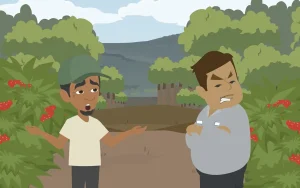
Case study on recruitment practices and forced labor in coffee farming
This video demonstrates how certain recruitment practices can increase the risk of forced labor. It was developed for the COFFEE Project and is part of the COFFEE Project Toolkit, which focuses on creating a virtuous cycle of continuous improvement to address labor risks in company supply chains.

Responsible Sourcing in the Mining Sector
There are documented forced labor risks in the mining of minerals and ores for processing into such key metals as aluminum, cobalt, copper, lithium, polysilicon, and rare earths, which are essential to numerous industries. Companies need a clear, updated picture of these risks and the tools that will help to identify and prevent them. This...

Traceability for Supply Chain Due Diligence and Sustainability in the Garment Sector
Supply chain insight and assurance is critical for companies who want to take concrete steps to identify and address harm from labor rights abuses throughout supply chains. The Supply Chain Tracing and Engagement Methodologies (STREAMS) project is supporting the use of traceability tools to promote due diligence and combat labor abuse in global supply chains....
Understanding Forced Labour Risks and Frameworks In Ghana
The Verité Forced Labour Indicators Project (FLIP) has developed this free, publicly available course to enhance understanding of the International Labour Organization’s definition and indicators of forced labour to more effectively address the risk of this human rights violation. The course has global applicability, but focuses particularly on the presence of risk in Ghana. Note:...
Child Labor Case Study of a Young Migrant Worker in the U.S.: Juana
This is a fictional case study about Juana, a young migrant who ends up in a situation of child labor in the United States. This video is part of the publicly available e-Learning course, “Responding to Child Labor and Forced Labor in U.S. Manufacturing.”

Forced labor in the carnauba sector
This video will explain what forced labor is in the context of the carnauba wax sector, and what everyone can do to recognize and prevent it. This video was developed for Pontes.

The Senderos (Sowing Rights, Harvesting Better Futures) project
The Senderos (Sowing Rights, Harvesting Better Futures) project strengthened the capacity of Mexico’s agricultural sector to comply with international labor standards on child labor, forced labor, occupational health and safety, as well as other labor issues.
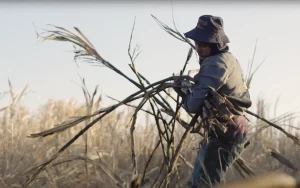
What is the Senderos Project?
The Senderos (Sowing Rights, Harvesting Better Futures) project strengthened the capacity of Mexico’s agricultural sector to comply with international labor standards on child labor, forced labor, occupational health and safety, as well as other labor issues.
Informational Resources for Sugarcane and Tobacco Farmworkers in Mexico (Senderos initiative)
These informational and educational resources are designed to improve capacities of Mexican private sector, government and civil society organizations to improve the enforcement of international standards on child labor, forced labor, occupational health and safety, as well as other labor conditions, in the tobacco industry in Jalisco and Nayarit, Mexico.