Search results
Showing results 331-340 of 406 for "forced_labor/page/29/_gravityform_id=4/page/51/page/48/page/31/page/41/page/39/page/38/page/36/"
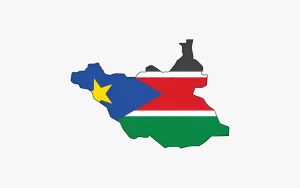
South Sudan
Widespread conflict, fragmentation of governance, and near-total informality embed severe trafficking risks in South Sudan’s fragile systems. Despite achieving its first peaceful presidential transition, South Sudan remains destabilized by ongoing violence and deeply fractured institutions. Oil dominates the economy and fuels revenue, yet around 85% of the population relies on non-wage work in agriculture. The...
Migrant labor
We provide actionable guidance and deep expertise to help build robust ethical recruitment models and due diligence systems that protect migrant workers’ rights.
Understand risk
Frameworks and resources for assessing human trafficking risk in global commodity supply chains, highlighting key factors, cross-cutting issues, and analytical approaches used in Verité’s Sub-Saharan Africa research.
Chad
Chad’s combination of poverty, internal displacement, and porous borders places its agriculture and livestock sectors at acute risk of trafficking. Children are frequently entrusted to intermediaries under false promises and end up in forced labor in herding or domestic work. Agricultural and livestock supply chains are under-regulated and this amplifies vulnerability to exploitation. Chad’s status...

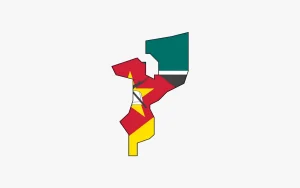
Mozambique
Mozambique’s persistent climate shocks, governance fragilities, and high poverty intensify trafficking risks across key sectors. Mozambique faces severe threats from droughts, cyclones, and floods, while corruption, weak infrastructure, and underdeveloped financial systems constrain investment and oversight opportunities. With a human development index ranked 180 out of 189 and poverty rates consistently high, vulnerabilities persist. These...
Mineral fuels
Fast-growing oil and gas extraction in Sub‑Saharan Africa brings economic gains—and serious risks of labor trafficking. Countries like Nigeria, Angola, South Africa, Equatorial Guinea, and the Republic of the Congo lead production. The sector is rife with dangerous work hazards—accidents, chemical exposure, fires and machinery incidents—as well as reliance on migrant and contract labor. Weak...

Gemstones other than diamonds
Illicit mining, fractured supply chains, and hazardous work conditions in the colored gemstone sector are driving trafficking and labor abuses across Sub‑Saharan Africa. Key export hubs include Mozambique, Madagascar, Namibia, Kenya, and Ethiopia, supplying gemstones such as tanzanite, amethysts, tourmaline, garnet, and emeralds. Around 75% of gemstone mining is carried out by small to medium...
Tantalum, tungsten, and tin
Mining of tantalum, tungsten, and tin in Central Africa is marked by dangerous conditions, weak oversight, and direct links to trafficking. In the Democratic Republic of the Congo, and to a lesser extent Rwanda and Burundi, much production comes from artisanal and small-scale mines. Workers face hazardous conditions, child labor is widespread, and supply chains...