Webinar
14 July 2021
Webinar
14 July 2021
Search results
Showing results 151-160 of 406 for "forced_labor/page/28/_gravityform_id=4/page/5/page/50/page/47/page/45/page/10/page/20/page/19//page/18/"
Webinar
14 July 2021
FLIP Activities Expand to Côte d’Ivoire
Based on the success of the FLIP Ghana model, the project is expanding activities into Côte d’Ivoire where project staff will similarly work to build stakeholder capacity to use the ILO indicators to understand and address forced labor risk.
 Update
16 December 2022
Update
16 December 2022
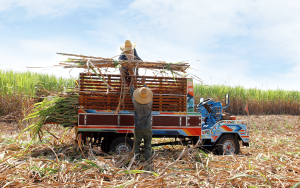
SENDEROS in 2022
The Sowing Rights, Harvesting Better Futures (SENDEROS) project promotes adherence of the sugarcane and tobacco sectors in Mexico to national regulations and international labor standards. In 2022, SENDEROS collaborated with the Mexican government, companies, producers, and farmworkers to build capacities to detect, remedy, and prevent labor rights issues.
 Update
20 October 2021
Update
20 October 2021
Combating Forced and Child Labor of Refugees in Global Supply Chains: The Role of Responsible Sourcing
Verité and the Tent Partnership for Refugees’ new report “Combating Forced and Child Labor of Refugees in Global Supply Chains: The Role of Responsible Sourcing” offers guidance that can help companies hire and incorporate refugees into their supply chains and advocate for their rights as a proactive strategy towards combating forced labor.
 Webinar
30 September 2025
Webinar
30 September 2025
Webinar Q&A: New Responsible Sourcing Tools for Mining and Transportation
The following Q&A consolidates questions and answers from the 3-part webinar series on new responsible sourcing tools for the mining and transportation sectors. The series introduced sector-focused tools and training to strengthen supply chain due diligence, including updated sector reports, new due diligence toolsets, and technical training on supply chain risk management. Q&A Webinar 1...
 Update
1 April 2021
Update
1 April 2021
Verité's New Approaches to Fighting Abuse of Indian Workers in Gulf Cooperation Council Countries
Through generous funding by the United States Department of State’s Bureau of Democracy, Human Rights, and Labor (DRL), Verité is continuing to support workers navigating risks in new labor markets between Uttar Pradesh, India and the Gulf States. This project focuses on building capacities of partners to provide guidance to workers during the recruitment process in Uttar Pradesh, and to safely navigate systems for addressing any exploitation they may encounter during employment in the Gulf.

 Editorial
16 August 2023
Editorial
16 August 2023
Voices from the field: Senderos project participants describe everyday hazards and risks in sugarcane fields
In Mexico, sugarcane production and processing is comprised of a complex web of actors. Alongside sugar refineries, mills and farmers, the supply chain is made up of less visible actors, such as cabos or crew leaders and field leaders, who largely operate informally. The least visible and most vulnerable actors in the sugar cane supply chain are the sugarcane cutters, who are exposed to many labor risks, including severe risks to their health and safety.
 Editorial
12 October 2021
Editorial
12 October 2021
Mechanization of Thai Purse Seiners: A business case study to improve working and living conditions
International exposés of labor conditions on Thai fishing vessels have long identified a vessel’s physical structure as an inherent driver of labor risk in the industry. These findings led Nestlé and Verité to collaborate on a project exploring how Thai fishing vessels might be modified to enable long-term improvements for both the workers and vessel owners.
Editorial
14 August 2023
Ensuring Government Advisors Comprehensively Understand Forced Labor in Côte d’Ivoire
On July 19, Verité and the International Cocoa Initiative kicked off a forced labor indicators training for human rights advisors of the National Council of Human Rights (Conseil Nacional des Droits de l’Homme— CNDH), an independent body that is tasked with ensuring the Côte d’Ivoire government’s adherence to all international treaties and cooperation agreements that the government has signed.
 Update
16 December 2022
Update
16 December 2022
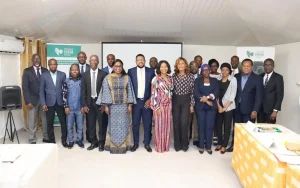
COFFEE in 2022
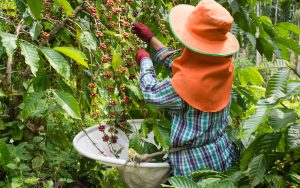
During 2022 Verité conducted actionable research and engaged stakeholders as part of the Cooperation On Fair, Free, Equitable Employment (COFFEE) project to create, refine, and launch a set of 17 tools comprising the Socially Sustainable Sourcing Toolkit (S3T) to meet the needs of key coffee sector stakeholders.
 Update
11 December 2023
Update
11 December 2023
Addressing questions on traceability and labor rights due diligence with the STREAMS Supply Chain Traceability Matrix
Nine billion dollars (1)–a conservative estimate on how much the supply chain traceability sector will be worth within 10 years, or even sooner. It’s a big business. And it’s growing fast because companies know that understanding where their products come from and being able to offer assurances to regulators and consumers is critical to being able to run profitable and resilient businesses.