Editorial
30 June 2020
Editorial
30 June 2020
Search results
Showing results 191-200 of 406 for "forced_labor/page/27/_gravityform_id=4/page/20/page/40/page/20/page/50/page/48/page/20/page/30/page/32/"
Editorial
30 June 2020
Companies Called to Support Waste Pickers, a Global Essential Workforce at Risk
Workers who handle waste and recyclables support the health of our communities, economies, and the environment at the expense of their own health and wellbeing. On a daily basis, they may be exposed to hazardous materials, such as household cleaners, pesticides, and medical waste. The COVID-19 pandemic only heightens these health risks, particularly to informal waste pickers who collect the recyclable materials that we throw in the trash.

Trafficking Risk in Sub-Saharan African Supply Chains
This resource on Trafficking Risk in Sub-Saharan African Supply Chains provides insight into the trafficking risks associated with the operation of specific global supply chains in the region. The site consists of reports on 22 major African export commodities, and on all 49 sub-Saharan African countries. These reports provide information about industry and national characteristics...

Recruitment Cost Calculator
The Verité Recruitment Cost Calculator (RCC) provides accurate, up-to-date information on recruitment fees and related costs, enabling employers to implement ethical recruitment policies more effectively throughout their supply chains. This tool helps companies factor legal and ethical recruitment costs into their business models, build mechanisms to cover accurate recruiting expenses in contracts with buyers and...

Debt Bondage Case Study of a Migrant Worker in Malaysia: Aslam
This video describes what debt bondage is and provides a case study of a worker from Bangladesh who finds himself in a situation of debt bondage. The video was created by the FFACT Project, which combats debt bondage among migrant workers by making recruitment costs transparent, empowering worker groups with data, and promoting accountability among...

Debt Bondage Case Study of a Migrant Worker in Dubai: Raheem
This video describes what debt bondage is and provides a case study of a worker from India who finds himself in a situation of debt bondage. The video was created by the FFACT Project, which combats debt bondage among migrant workers by making recruitment costs transparent, empowering worker groups with data, and promoting accountability among...

A Recruitment Checklist for Migrant Workers
This video answers 4 key questions to help you make smart and informed decisions when becoming a migrant worker. The video was created by the FFACT Project, which combats debt bondage among migrant workers by making recruitment costs transparent, empowering worker groups with data, and promoting accountability among employers, recruiters, and governments in key migration...

Managing Ethical Recruitment from East Africa to the Gulf States Webinar
This webinar discusses the risks related to recruitment from East Africa to the Gulf States, as well as two new tools available to build awareness about safe migration.

Combating Human Trafficking in Food and Beverage Supply Chains
Is human trafficking hidden in your food and beverage supply chain? This webinar offered companies in the food and beverage sector concrete strategies, tools, and processes to address and prevent human trafficking in their supply chains in accordance with the Federal Acquisition Regulation (FAR) “Ending Trafficking in Persons.” This webinar was hosted by Allison Arbib,...
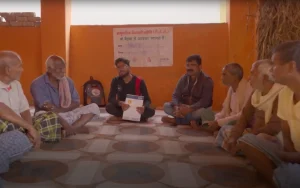
Helping Indian Migrant Workers Make More Informed Migration Decisions
For the estimated 170 million migrant workers in the world at any one time, borrowing money to pay recruitment costs to secure employment in a foreign job exposes them to risks of debt bondage and other exploitation. Workers from India going to jobs in Gulf Cooperation Council and Middle East countries such as Saudi Arabia,...
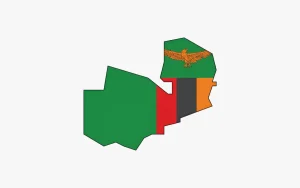
Zambia
Declining copper export growth and informal labor practices leave Zambia deeply exposed to trafficking risks in mining and agricultural sectors. Copper remains the cornerstone of Zambia’s economy, comprising around 70% of export value, but recent price declines have slowed growth and heightened economic vulnerability. The U.S. TIP Report highlights forced labor and child labor risks...