Search results
Showing results 51-60 of 406 for "forced_labor/page/22/_gravityform_id=4/page/21/page/51/page/47/page/21/page/10//page/8/"
An Ethical Framework for Cross-Border Labor Recruitment
A practical framework for creating fair, transparent recruitment systems that protect migrant workers and promote ethical cross-border hiring. Developed through collaboration between Verité and ManpowerGroup, this framework sets out operational standards and verification systems for ethical labor recruitment. It addresses common abuses—such as recruitment debt, contract fraud, and document confiscation—by outlining clear standards of ethical...
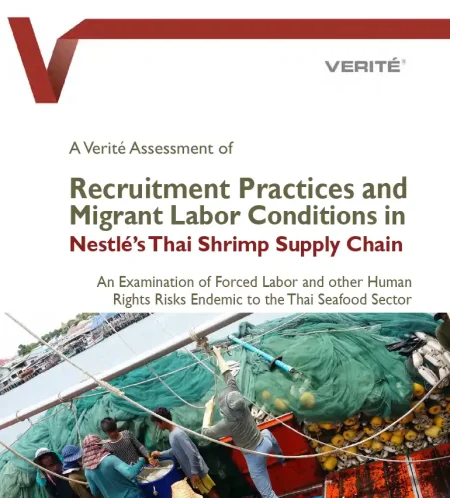
A Verité Assessment of Recruitment Practices and Migrant Labor Conditions in Nestlé’s Thai Shrimp Supply Chain
A comprehensive investigation into labor conditions in Thailand’s shrimp industry, uncovering recruitment risks and systemic vulnerabilities to forced labor. This report presents detailed findings from field research in Thailand’s shrimp sector, mapping recruitment pathways from origin countries to processing facilities. It reveals how migrant fishers and factory workers face deceptive recruitment, wage withholding, debt, and...
SAFE TIPS for Migrating Workers: Guidance for each phase of your journey
SAFE TIPS Handbooks guide workers through each step in labor migration, with particular attention to strategies for navigating risks of exposure to forced labor indicators during the first kilometer of the journey. The Handbooks are designed for workers and their advocates, centered around the questions workers encounter during labor recruitment and migration. The Handbooks were...
A Brief Guide to Ethical Recruitment for the Palm Oil Sector
A practical guide to implementing ethical recruitment in palm oil supply chains, promoting fair hiring and worker protection from plantation to refinery. This guide explains the principles and practices of ethical recruitment, showing how companies can eliminate worker-paid fees, deception, and coercion in hiring processes. It outlines international standards—including ILO and RSPO criteria—and provides step-by-step...

Recruitment & Labor Dynamics of Migrant Workers in the Cocoa Sector of Ghana
This research explores the experiences of both internal and international migrant workers—including their demographic profiles, recruitment processes, working conditions, and labor dynamics—to provide stakeholders with a clearer understanding of the unique vulnerabilities migrant workers face. This resource was developed by Verité’s research partner Regional Institute for Population Studies (RIPS) at the University of Ghana and...
Recruitment and Hiring Practices in the Philippine Tuna Handline Fishing Sector
A sectoral assessment revealing how informal recruitment and inadequate regulation shape labor conditions in the Philippines’ tuna handline industry. This report examines recruitment and hiring in the Philippine handline tuna sector, where small-scale operations and informal labor structures dominate. It details how workers are often hired through verbal agreements and local brokers, leaving them vulnerable...

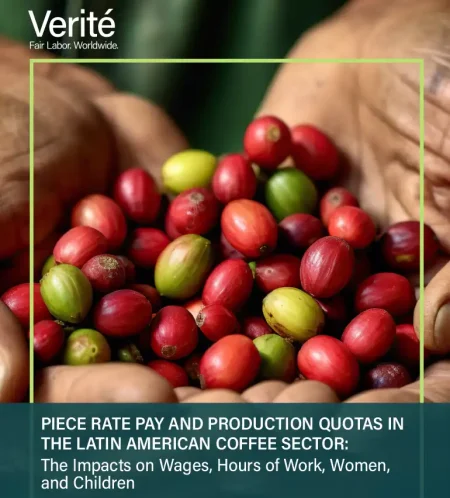
Piece Rate Pay and Production Quotas in the Latin American Coffee Sector
A detailed analysis of how piece-rate pay and production quotas impact wages, hours, women, and children in Latin American coffee production. This report explores how widespread piece-rate systems in coffee harvesting can lead to underpayment, excessive working hours, gender inequality, and child labor. Drawing on more than 2,000 worker interviews, it reveals how quotas and...
Advancing Worker Participation Guidance Manual
This resource package aims to support multinational buyers and their Chinese suppliers in implementing a comprehensive approach to safeguarding workers’ rights to freedom of association (FoA) and advancing worker participation at the enterprise level. This approach, integrating both top-down and bottom-up strategies, seeks to enhance supplier management systems and capacity to create a more enabling...

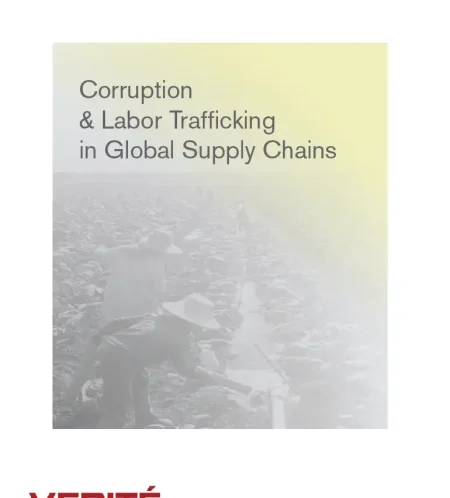
Corruption and Labor Trafficking in Global Supply Chains
An in-depth white paper tracing how corruption and bribery enable labor trafficking in global supply chains, and how businesses can address these risks. This white paper explores the critical link between corruption and forced labor, showing how bribery and unethical recruitment practices fuel trafficking in migrant labor across industries. It explains how companies can face...
India-Gulf Cooperation Council Countries Recruitment Cost Report
Research revealing how recruitment costs and debt risks shape the experiences of Indian migrant workers employed across Gulf Cooperation Council countries. This study explores how Indian workers migrating to Gulf countries incur high recruitment costs and face debt-related vulnerabilities that heighten their risk of exploitation. Through over 300 worker interviews, the report details how informal...
