Search results
Showing results 271-280 of 406 for "forced_labor/page/21/_gravityform_id=4/page/50/page/20/page/40/page/20/page/30/"
Citrus
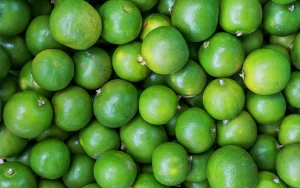
Citrus fruits, essential components of global diets, are vulnerable to child labor in certain regions. In Belize and Turkey, where citrus production has been documented with child labor, gaps in oversight and seasonal workforce demands expose families, especially children, to exploitation. The labor intensive nature of harvesting and packing combined with limited transparency reinforces these...
 Update
11 June 2025
Update
11 June 2025
Recruitment Cost Calculator’ bolsters ethical recruitment practices among employers
What does it really cost to recruit migrant workers? The recruitment process for migrant workers might seem straightforward—processing fees, travel costs, or training. But hidden beneath these are often overlooked costs that can potentially exploit workers’ rights, affect budgets, and expose businesses to legal complications. How can companies ensure up-to-date information on recruitment related costs...
Democratic Republic of the Congo
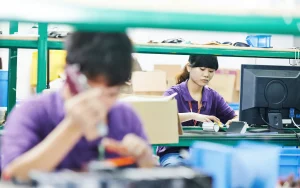
The Democratic Republic of the Congo’s vast mineral wealth and fragmented governance create high-risk environments for trafficking across resource sectors. Mining of copper, cobalt, gold, diamonds, and tin occurs under hazardous conditions, particularly in artisanal and small-scale operations. Armed groups and criminal networks exploit opaque supply chains to fund conflict, while children and vulnerable adults...

Eritrea
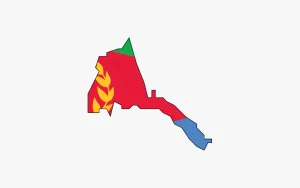
Eritrea’s compulsory national service and fragile institutional framework leave its sectors particularly vulnerable to government facilitated forced labor. Conscripts, including youth and former service members, are frequently deployed to work in mining, agriculture, and public infrastructure without adequate protections or demobilization. Reports indicate these forced labor dynamics are sustained by state policies, with no evidence...
Côte d’Ivoire
Côte d’Ivoire’s reliance on agricultural exports and migration networks creates layered vulnerabilities to trafficking across rural and border regions. Children and seasonal workers in cocoa, coffee, and palm oil production face coercive recruitment, dangerous conditions, and withheld wages. Informal migration routes and intermediaries further expose them to forced labor and exploitation in agricultural and extractive...

Jewels
Jewels and gemstones are produced in contexts where forced labor, child labor, and trafficking are significant concerns. Countries such as Burma, Madagascar, Zambia, Colombia, and Tanzania report significant risks. The industry is fragmented and opaque, with stones changing hands multiple times between mining and manufacturing. This lack of traceability, combined with hazardous working conditions and...
 Update
11 February 2021
Update
11 February 2021
Verité STREAMS Project Announcement
Verité is pleased to announce the launch of an exciting new initiative to support the enhanced tracing of goods made with child and forced labor. The STREAMS project (Supply Chain Tracing and Engagement Methodologies) will be implemented by Verité in collaboration with organizations that include Phylagen, RCS Global, the Responsible Sourcing Network and Sourcemap.
 Update
12 March 2021
Update
12 March 2021
Assessing Labor Risk for Workers Migrating from the Philippines to Europe
With over 368,000 Filipino citizens in Europe, the Philippines is a key source of labor in the region. With the support of Porticus, Verité conducted an assessment of labor risks for Filipino migrant workers involved in the fishing, seafaring, and domestic work sectors in Europe, as well as in two emerging host countries for Filipino workers: the Czech Republic and Poland.

Resources
This resource suite provides tools to help businesses track labor conditions and improve supply chain due diligence. It focuses on addressing risks like forced labor and promoting transparency and ethical practices.
Ethiopia
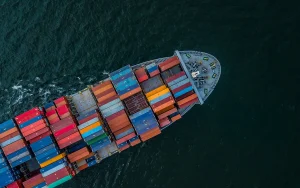
Ongoing conflict and widespread instability undermine Ethiopia’s ability to prevent trafficking and protect vulnerable populations. Civil war in Tigray and intercommunal violence have disrupted rule of law and essential services. Agriculture remains the main livelihood for over 80% of Ethiopians, while exports—such as coffee, flowers, and apparel—are tied to risk-prone sectors. Instances of child labor...
