Search results
Showing results 91-100 of 406 for "forced_labor/page/19/_gravityform_id=4/page/11/page/12/page/14/page/16/page/11/page/41/page/10/page/12/page/14/page/20/page/19/"
The ILO Forced Labour Indicators
Verite’s Forced Labor Indicators Project (FLIP) developed this course to enhance understanding the International Labour Organization’s forced labour indicators, how the indicators can be operationalized, and how they relate to root causes of forced labour vulnerability. This course consists of 4 modules: Module I: Introduction to the Forced Labour Indicators Approach Module II: More Practical...
Ghana Forced Labor Indicators Project (FLIP): Course Launch Webinar
This webinar of Verité’s Forced Labor Indicators Project (FLIP) details the launch of a free online learning resource, including how to access the e-Learning, an overview of the content, a discussion of the International Labour Organization’s forced labor indicators, and explanations of root causes of forced labour and how to identify and address risk factors.

Forced Labor Commodity Atlas
The Commodity Atlas raises public awareness about goods produced under forced labor conditions and modern forms of slavery. The link between commodities and some of the worst forms of labor abuse in the global economy is coming under increasing scrutiny from stakeholders around the world. This resource enables learning about specific commodities and their relationship...
Understand, Identify, and Address Forced Labor Risks in Construction Supply Chain
The construction industry, with its reliance on low-skilled, low-pay manual jobs often filled by migrants, has long faced significant forced labor risks globally. We’ll discuss these risks, the challenges of monitoring the sector’s long and complicated supply chains and how our new due diligence tool set can help. Customized to the sector, the tools are...

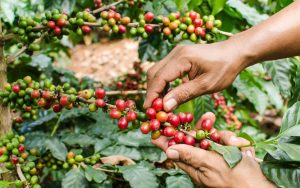
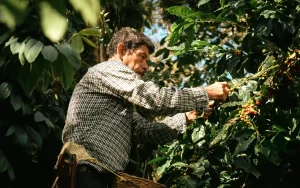
Identification and Prevention of Labor Risks at the Coffee Farm Level for Smallholder Farmers and Cooperatives
Verité’s Foundational Course for Smallholder Coffee Farmers and Cooperatives covers core modules on international standards and trends related to child labor, forced labor, human trafficking, along with good practices on the identification and prevention of labor risks, through data collection at the farm-level, and using management systems and due diligence approaches. The subsequent course entitled...
Introduction to Forced Labor
This introductory course provides a clear understanding of forced labor—what it is, how widespread it is globally, and the role of international standards in shaping the global response.

Forced Labor Indicators Case Studies
These case studies are a suite of learning tools developed for the FLIP (Forced Labor Indicators) Project. The objective is for learners to identify and discuss the indicators of forced labor demonstrated in each example.

Supply Chain Traceability Matrix
The Supply Chain Traceability Matrix is a guide for leveraging the power of traceability to combat labor rights violations in global supply chains The website is designed to help companies, governments, civil society advocates, and other stakeholders understand how traceability systems can generate insights that can be used to combat labor rights abuses like forced...

COFFEE Deep-Dive: Field-tested Tools to Reduce Labor Risks in Brazil, Colombia and Mexico
In this dynamic virtual learning event, hosted by Verité and the Cooperation on Fair Free Equitable Employment (COFFEE) Project, we shared knowledge and insights on using innovative, cost-effective approaches to identify, address, and prevent labor risks. Hear the perspectives of coffee traders, roasters, and smallholder producers and cooperatives in Brazil, Colombia, and Mexico on how...

Indicators of forced labor in coffee farming
This video demonstrates common red flags of forced labor. It was developed for the COFFEE Project and is part of the COFFEE Project Toolkit, which focuses on creating a virtuous cycle of continuous improvement to address labor risks in company supply chains.