Search results
Showing results 341-350 of 406 for "forced_labor/page/18/_gravityform_id=4/page/20/page/21/page/22/page/30/page/31/page/40/page/38/page/39/page/37/"
Central African Republic
The Central African Republic’s long-standing conflict and weak institutional capacity expose sectors such as diamonds, agriculture, and forestry to acute trafficking risks. Diamonds, timber, and cotton are central to the economy. Artisanal diamond mining, often smuggled through opaque channels, creates hazardous conditions and debt bondage. Timber logging has financed armed groups and contributed to the...

Andrea Galvez
Andrea has 18+ years’ experience working with civil society organizations and private sector networks in Mexico, Canada, and the United States, doing analysis, advocacy, and public policy recommendations on labor rights. As a Program Director at Verité, Andrea leads the First Mile Due Diligence Practice Group, which focuses on strengthening brands’ and suppliers’ capacity to...

Guinea-Bissau
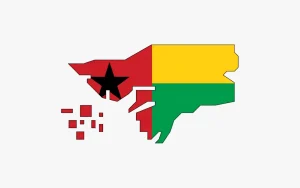
Endemic instability, overwhelming poverty, and weak regulatory frameworks leave Guinea-Bissau highly exposed to trafficking vulnerabilities. As a low-income and politically fragile state marked by frequent coups, Guinea‑Bissau depends on cashews, seafood, fruits, and aluminum for export, while roughly 80% of work happens in the informal sector. Cashew production—central to most livelihoods—lacks processing, and deforestation from...
Equatorial Guinea
Equatorial Guinea’s abundant resources and systemic corruption create fertile ground for trafficking risks across both formal and informal sectors. Despite efforts to diversify away from oil into agriculture, fishing, mining, and timber, governance weaknesses open the door to exploitation in coffee, cocoa, livestock, and mineral supply chains. Indigenous populations, migrants, and informal workers face heightened...

Michael Vaudreuil
With nearly 50 years of experience in the labor and human rights environment, Michael helps clients and their suppliers successfully implement effective labor and human rights due diligence systems at all organizational levels – from the corporate level to the workplace floor. As Senior Director of Human Rights Due Diligence, Michael leads the delivery of...

Elizabeth Fay
With over 15 years working in the private sector for one of the world’s largest agricultural and food companies and a decade as a legislative advisor in the U.S. Senate, Elizabeth’s career has been dedicated to addressing the intersectionality of labor and human rights with international development, enabling responsible business growth and sustainable development. As...

 Editorial
26 October 2022
Editorial
26 October 2022
Living Income and Living Wage Study for the Colombian Coffee Sector
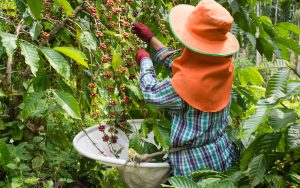
On October 6 and 7, 2022, Verité, in partnership with the Anker Research Institute and with support from, RGC Coffee, organized two online sessions to present the results and recommendations of the “Living Income and Living Wage Report” for rural areas and small towns of coffee-growing regions in central Colombia.
 Editorial
21 December 2022
Editorial
21 December 2022
2022 A Year in Review
The end of the year provides a welcome opportunity to share a recap of some of Verité’s latest accomplishments. As is demonstrated by the selection of projects and accomplishments highlighted below, Verité’s work is characterized by deep knowledge and expertise across many issues and supply chains, and by our commitment to collaboration with a wide range of stakeholders, including governments, companies, unions, workers, producer organizations, civil society groups, and investors, among others.
 Update
31 March 2023
Update
31 March 2023
Publication of Living Income and Living Wage Study for the Colombian Coffee Sector
On March 27, 2023, Verité in partnership with the Anker Research Institute, published the “Living Income and Living Wage Report: Rural Areas and Small Towns of Central Colombia.” The study results provide a living wage and living income benchmark for a pilot project being carried out by Verité in Colombia under the U.S. Department of Labor-funded Cooperation On Fair Free Equitable Employment (COFFEE) Project.