The cocoa sector in West Africa depends on migrant labor—but too often, they work without the protections they need. Informal hiring, lack of formal contracts, and limited access to services leave many migrant workers in Ghana and Côte d’Ivoire exposed to risk.
Two new reports, produced through a partnership between Verité and leading research institutions in each country, offer a clear picture of the challenges and what needs to be done to address them.
With support from the Swiss Agency for Development and Cooperation (SDC), Verité partnered with the Regional Institute for Population Studies (RIPS) in Ghana and Cellule d’Analyse de Politiques Économiques du CIRES (CAPEC) in Côte d’Ivoire. Each research institution conducted field research to understand the recruitment, employment conditions, and vulnerabilities of migrant workers in the cocoa sector. The goal: provide governments, companies, and civil society with actionable insights to strengthen human rights due diligence and promote responsible labor practices.
Recruitment & Labor Dynamics of Migrant Workers in the Cocoa Sector of Ghana
RIPS surveyed internal migrant workers and farmers in the Eastern and Western North cocoa-producing regions. The research found that hiring is largely informal, with most workers entering jobs through verbal agreements and word-of-mouth referrals. Written contracts are rare, wages and payments are often unpredictable, and few workers receive the protective equipment they’re legally entitled to. The study also noted gender-based labor disparities and signs of child labor in cocoa work.
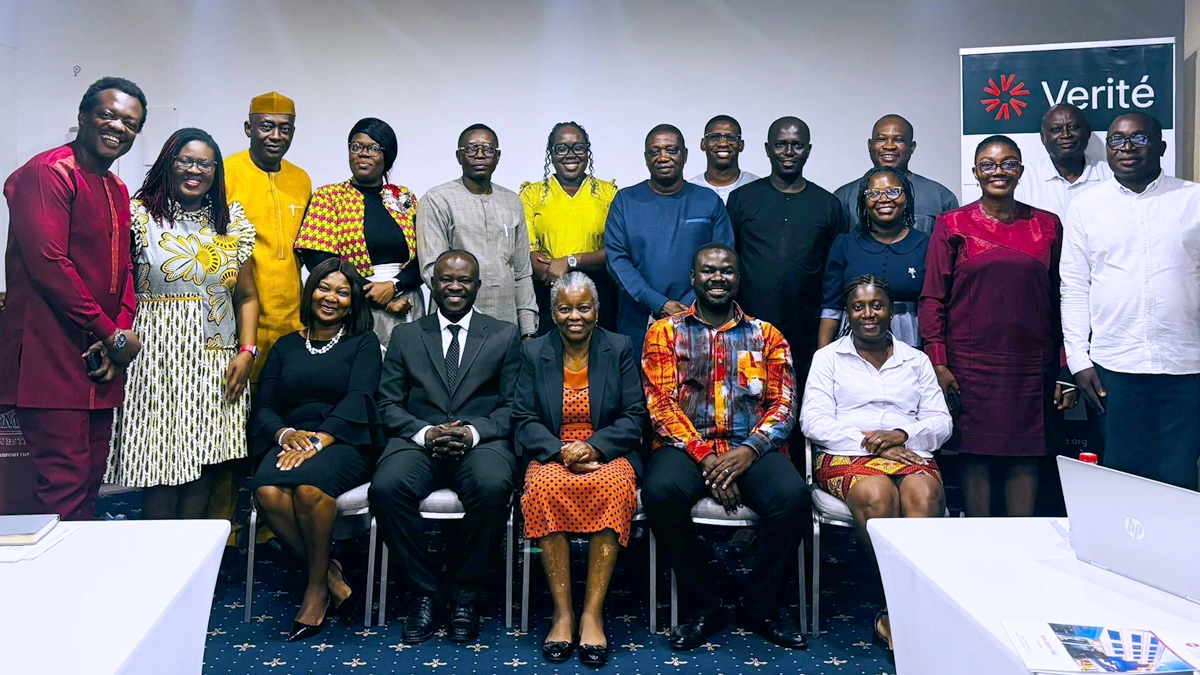
These findings were shared on July 17 at a stakeholder workshop in Accra. Representatives from Ghana’s government ministries, including the Ministry of Labour, Jobs, and Employment, the private sector, and civil society gathered to hear the research team present their findings. Following the RIPS presentation, participants engaged in a robust discussion which emphasized the challenges of migrant worker experiences in the cocoa sector and highlighted areas for further research.
Recrutement et dynamiques de l’emploi des travailleurs migrants dans le secteur du cacao en Côte d’Ivoire

In Côte d’Ivoire, CAPEC conducted similar research in the Gbôklé and Guémon cocoa regions with high concentrations of internal and international migrants. The study found that 97% of employment relationships are based on verbal contracts. Most migrant workers—from Burkina Faso, Mali, and other neighboring countries—have little education and few legal protections. Sharecropping arrangements are common but loosely regulated, and women’s labor remains undervalued and largely invisible. The report also highlighted regional gaps in access to healthcare, childcare, and social protections.
CAPEC presented the findings at a July 11 advisory board event in Abidjan. Attendees included representatives from the Conseil du Café-Cacao (CCC), the Ministry of Employment and Social Protection, the Ministry of Women, Families and Children, and other key stakeholders. The discussion focused on practical steps to formalize employment, expand services, and improve coordination between stakeholders.
Both research reports provide recommendations for governments, private sector, and civil society to strengthen protections for migrant workers in the cocoa sector. To support private sector action, Verité has also developed and piloted practical tools through its Farm Labor Due Diligence Toolkit (verite.org/flddi), offering step-by-step guidance tailored to agricultural supply chains. This includes farm-level tools—such as assessment questionnaires for farmer organization leadership, field staff, members, and workers—to help evaluate and strengthen human rights due diligence (HRDD) at the first-mile level.
These tools help companies move from policy commitments to real-world implementation of human rights due diligence (HRDD). Now is the time for stakeholders to act on these insights and recommendations to advance fair, safe, and equitable recruitment and labor practices in the cocoa sector.
Tools
Acknowledgements
Verité is grateful to have received financial support from the Swiss Agency for Development and Cooperation (SDC) of the Federal Department of Foreign Affairs (FDFA) through the Protecting Migrant Workers in the Cocoa Sector of Côte d’Ivoire and Ghana project.
Ghana, C'ote d'Ivoire, Africa