Initiative

FFACT (Fostering Fee Accountability & Cost Tracking)

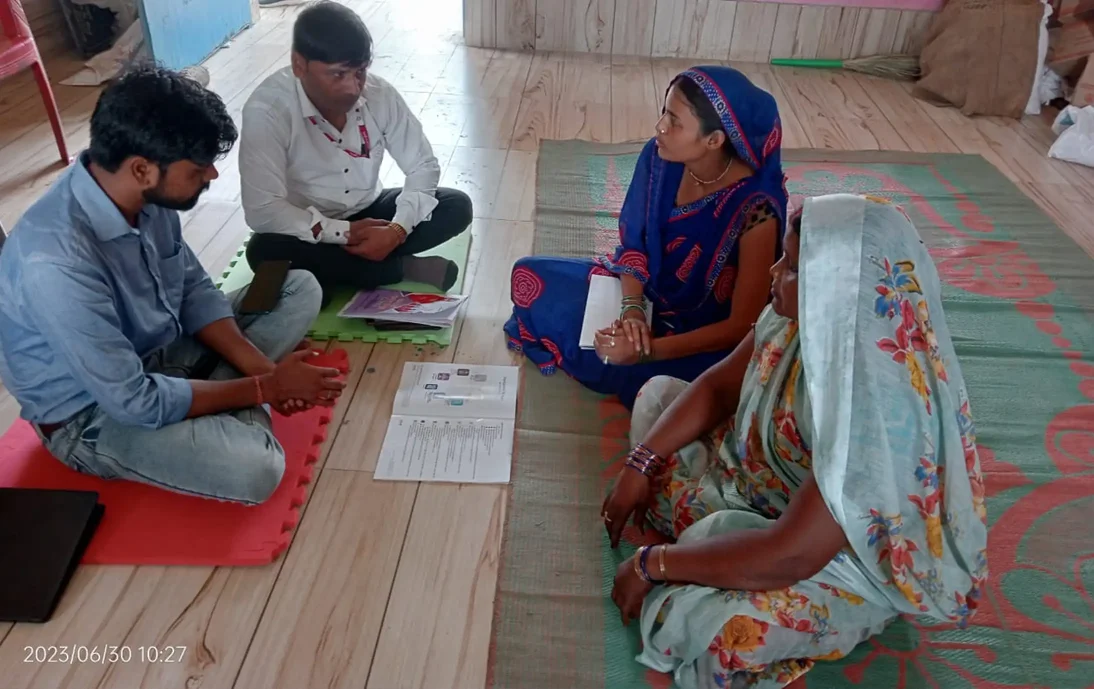
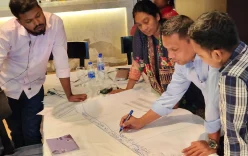
Two people sat on the floor looking at resources Two people sat on the floor looking at resources

Building on the power of worker-led organizations to tackle debt bondage

Verité’s ethical recruitment work in Asia and the Middle East leverages innovative digital tools to promote safe and fair migration for workers from Bangladesh and India.

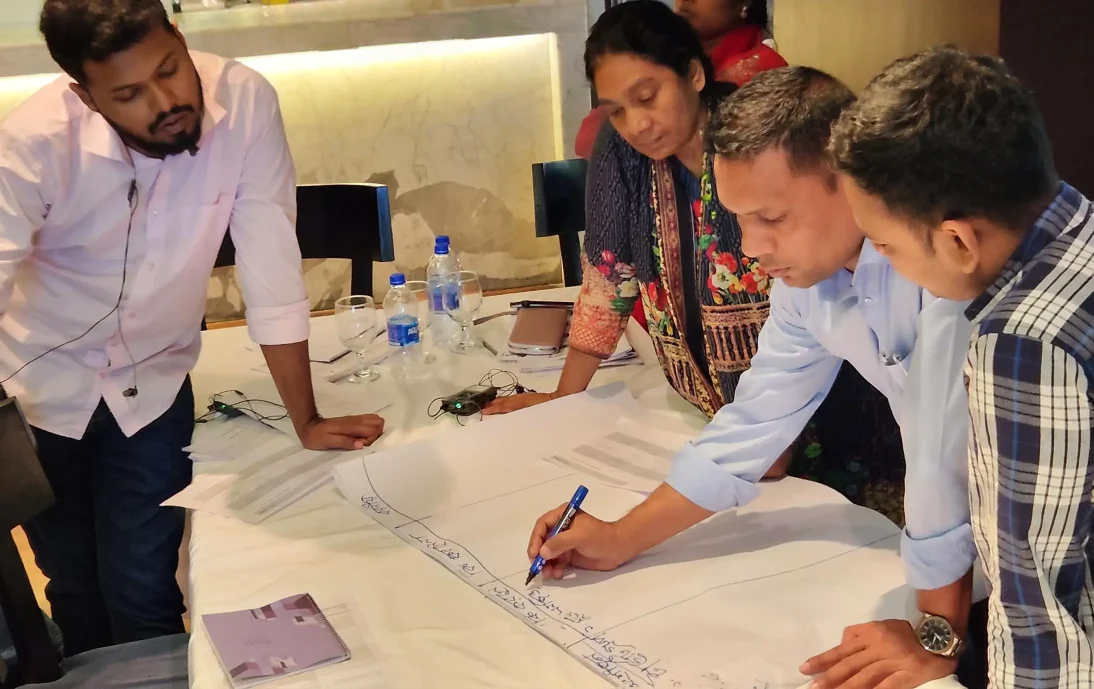
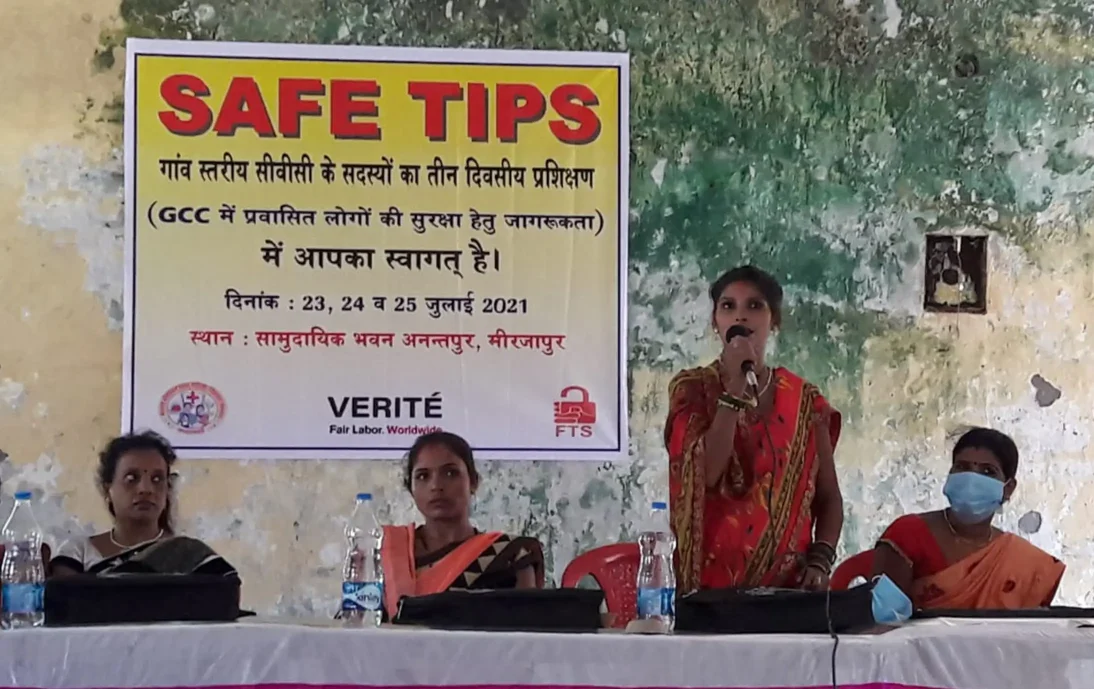
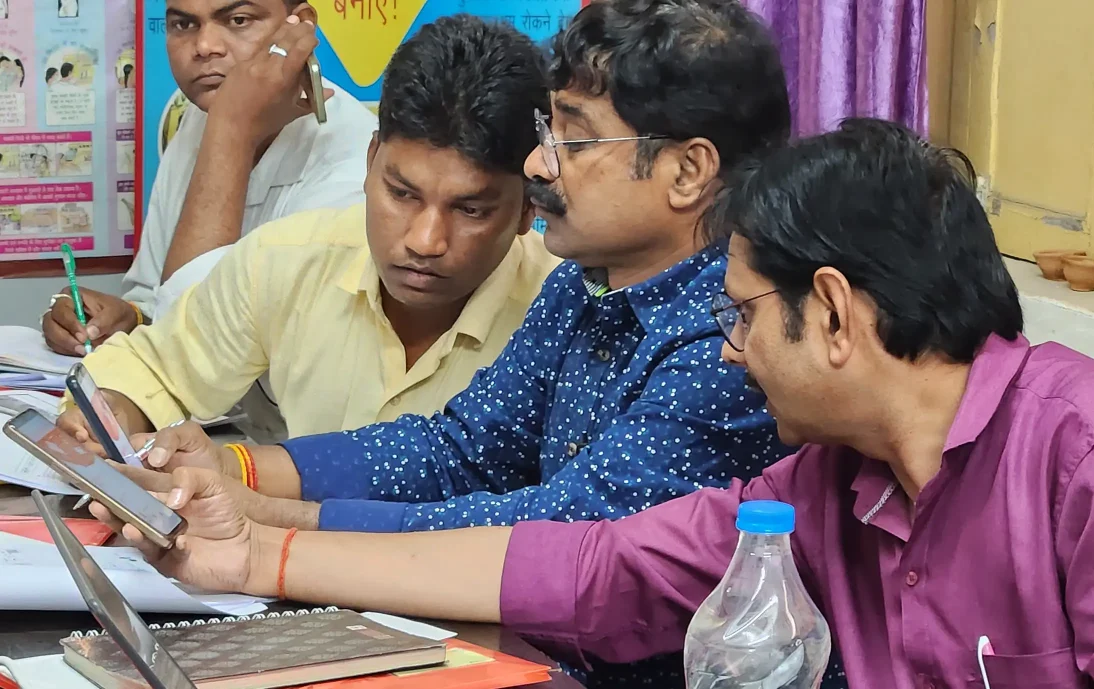
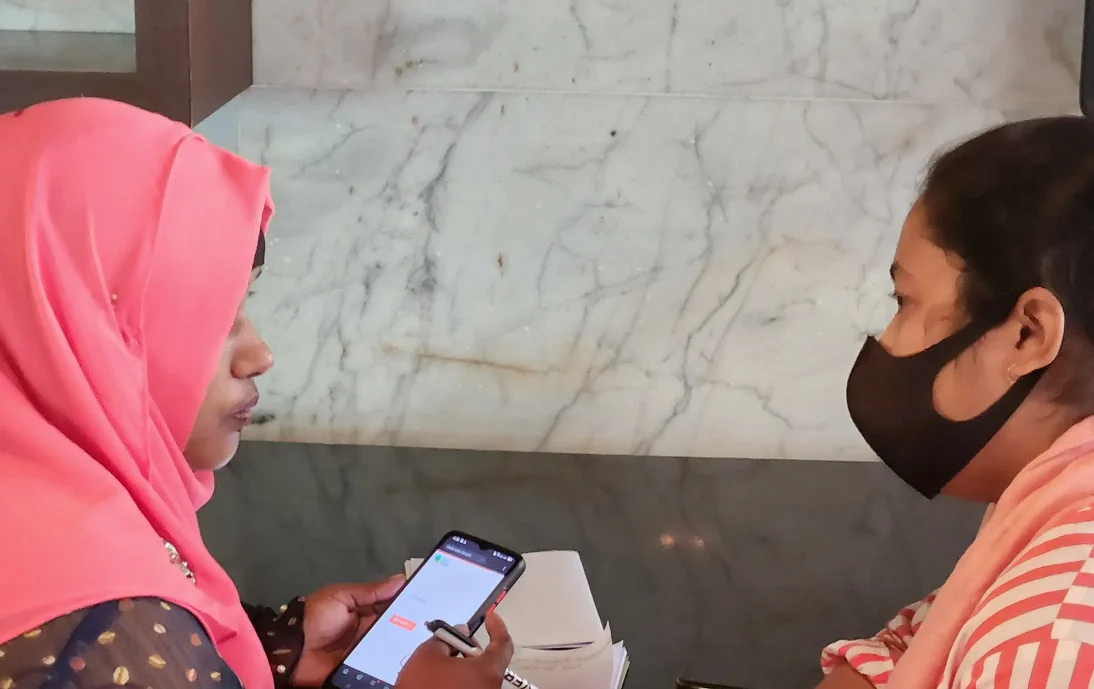
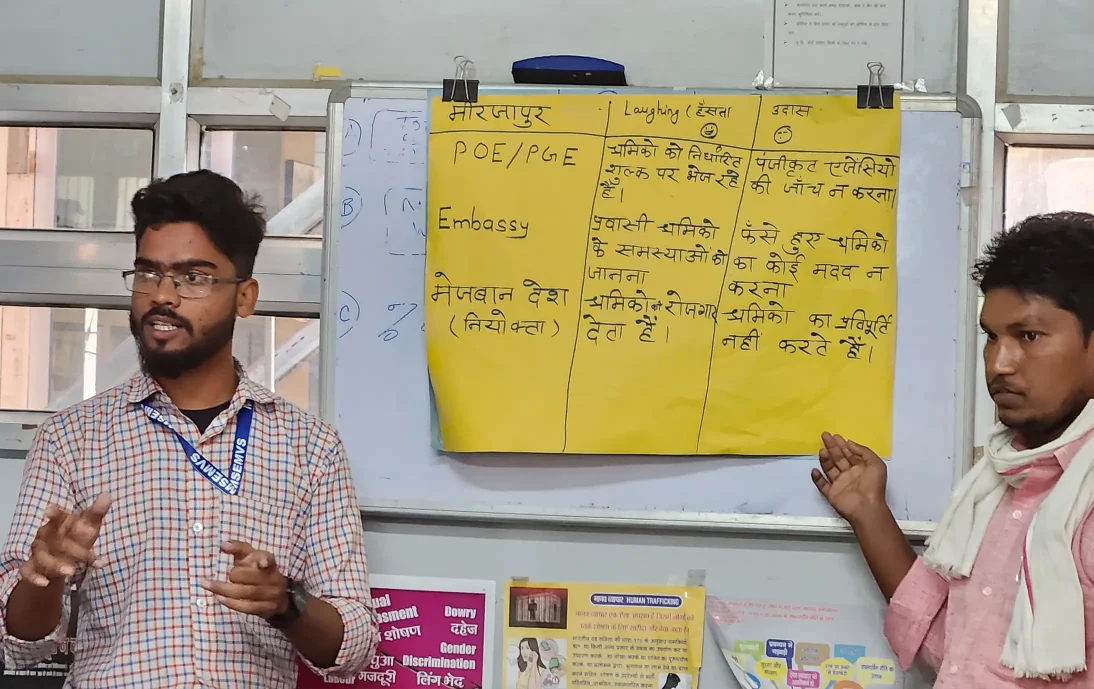
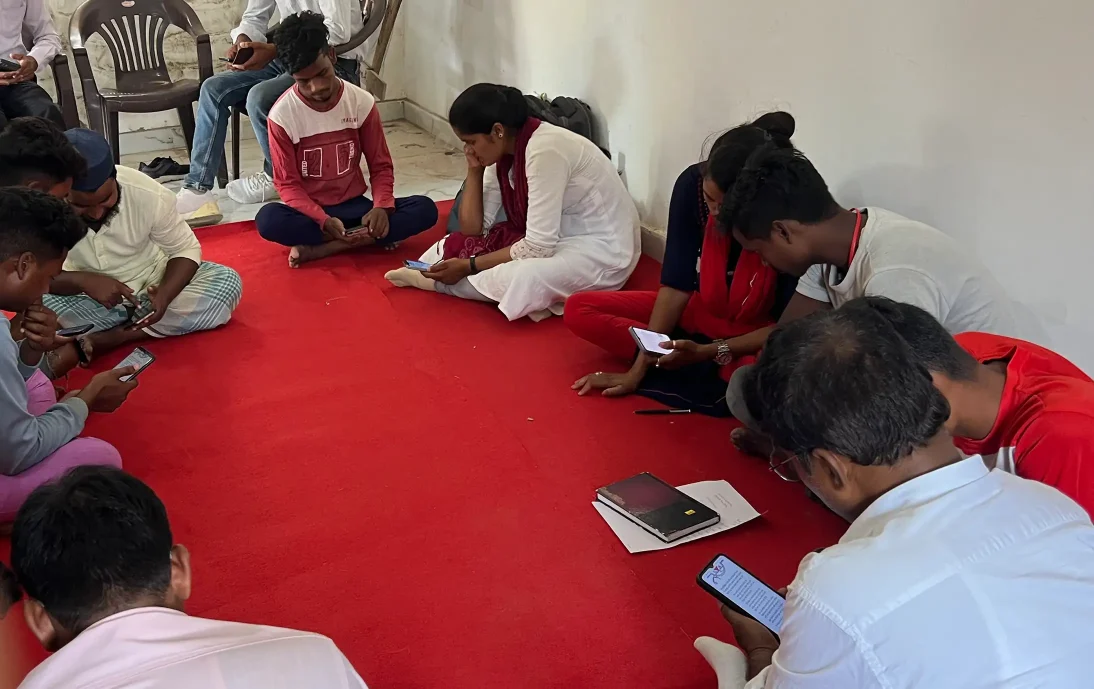
With a focus on the migrant worker population in Bangladesh and India, the FFACT (Fostering Fee Accountability and Cost Tracking) project collaborated with local civil society and worker-led organizations and leveraged accessible digital tools to combat debt bondage among migrant workers.

Summary

Active

2022-2024

Region

Asia, Middle East

Funder

US Dept. of State Bureau of Democracy Human Rights and Labor

Partners

Sheva Consultants Ltd.
WARBE Development Foundation
BOMSA
Dignity in Work for All
Fifty Eight

Helping Indian migrant workers make more informed migration decisions

About the issue

Low-waged migrant workers underpin much of the global economy and are among the most vulnerable to serious exploitation, including debt bondage and forced labor. Despite this global prevalence, there are currently no existing accurate, transparent calculations of the recruitment costs paid by migrant workers.

There are an estimated 169 million labor migrants globally, with over 24 million working in Gulf Cooperation Council (GCC) countries and over 2 million working in Malaysia. Workers in the Bangladesh-Malaysia and India-GCC corridors are a focus of the FFACT project because these worker populations are especially vulnerable to debt stemming from high recruitment fees and related costs.

Employers not workers should shoulder the burden of recruitment costs

About the project

From 2022 to 2024, the Fostering Fee Accountability and Cost Tracking (FFACT) project partnered with civil society and worker-led organizations in Bangladesh and India to combat debt bondage among migrant workers. Using accessible digital tools, FFACT field-tested worker-centered methods to collect recruitment cost data in the India-Gulf Cooperation Council and Bangladesh-Malaysia labor corridors. This evidence enabled more effective advocacy with local authorities to address exploitative recruitment practices.

The FFACT Project was funded by the U.S. State Department’s Bureau of Democracy, Human Rights and Labor (DRL).

Resources for engaging with migrant workers

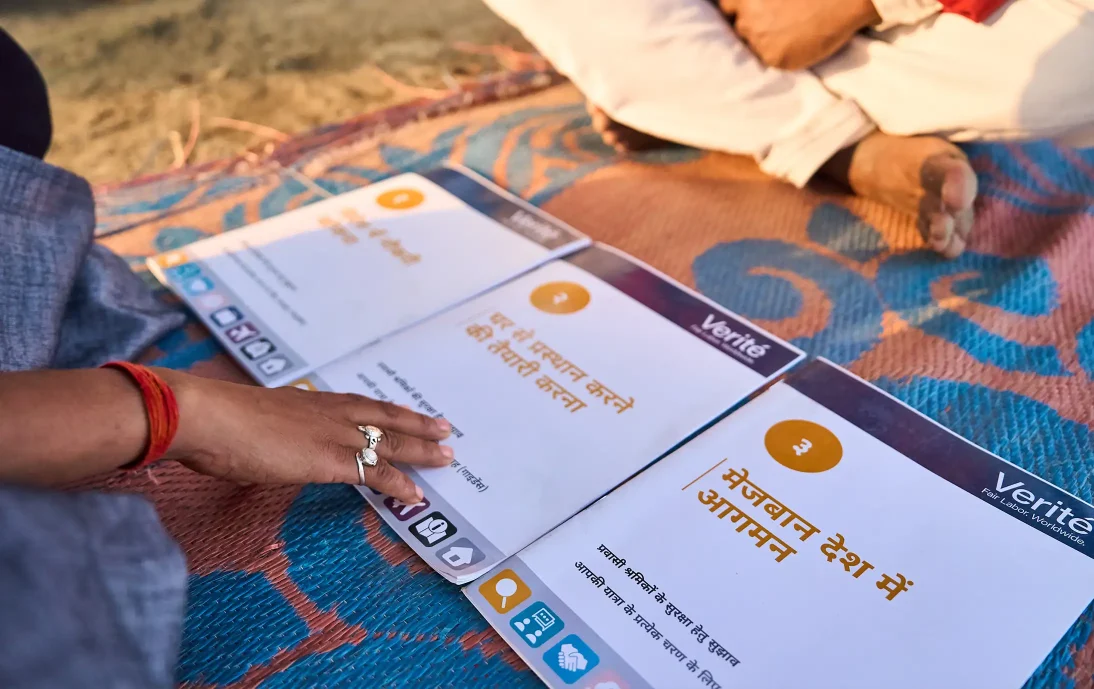
Explore tools to combat forced labor and recruitment cost exploitation of migrant workers, developed from interviews with over 500 workers.

For me personally, it changed my perceptions… about not only looking to see if [workers] get minimum wage or piece rate, but more so is that there is debt bondage happening.

Partner organization participant

Widened my view [on debt bondage] … it involves so many companies and agencies.

Training participant

Project partners

Sheva Consultants

WARBE Development Foundation

Dignity in Work for All

FiftyEight

Manav Sansadhan Evam Mahila Vikas Sansthan

More on our project partners

To engage worker-communities, Verité is partnering with more than seven civil society organizations focused on combating labor exploitation, particularly for migrant workers.

Our partners in India

In India, Verité is partnering with two local civil society organizations dedicated to community-based and survivor-led interventions to end modern slavery, and mobilizing communities effected by child labor, bonded labor, debt bondage, and other forms of labor exploitation.

Our partners in Bangladesh and Malaysia

In Bangladesh and Malaysia, FFACT project partners include organizations with a strong track record of worker interviews and data collection to identify labor issues, which are building capacities of grassroots, worker-led migrant-worker advocacy organizations.

Project implementing partners

Fifty Eight, based in the United Kingdom, develops and maintains the Just Good Work app for migrant workers in its programming aimed at identifying and taking action to address exploitation in supply chains.

Learn more about our ethical recruitment work

Large-scale elimination of forced labor requires businesses to fundamentally shift to ethical recruitment.

See services related to ethical recruitment