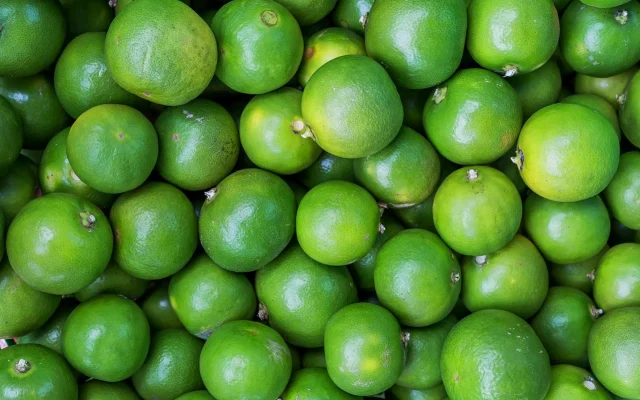
Citrus fruits, essential components of global diets, are vulnerable to child labor in certain regions.
In Belize and Turkey, where citrus production has been documented with child labor, gaps in oversight and seasonal workforce demands expose families, especially children, to exploitation. The labor intensive nature of harvesting and packing combined with limited transparency reinforces these occupational risks.
- Belize (CL)
- Turkey (CL)
- China
- China, mainland
- Brazil
- India
- Mexico
- United States
- Spain
- Egypt
- Indonesia
- Turkey
Source: FAOSTAT 2014
- Spain
- South Africa
- China
- United States
- Turkey
- Netherlands
- Egypt
- Mexico
- Morocco
- Chile
Source: International Trade Center (ITC Calculations based on UNCOMTRADE Statistics). https://www.intracen.org/
- United States
- Germany
- France
- Russian Federation
- Netherlands
- United Kingdom
- China
- Canada
- Hong Kong, China
- Poland
Source: International Trade Center (ITC Calculations based on UNCOMTRADE Statistics). https://www.intracen.org/
Where are citrus fruits reportedly produced with trafficking and/or child labor?
According to the 2018 U.S. Department of Labor List of Goods Produced by Child Labor or Forced Labor report, child labor is found in the production of citrus fruits in Belize and Turkey.[1] Belize is cited as a Tier 2 Watch List country by the 2019 U.S. Department of State Trafficking in Persons Report, while Turkey is listed as a Tier 2 country.[2]
What does trafficking and/or child labor look like in the production of citrus?
Syrian refugees, a highly vulnerable population for a range of labor abuses,[3] are widely employed in the agriculture sector in Turkey, including in the citrus sector. These workers are generally hired in teams, or in family units, for particular agricultural jobs. There is a noted labor shortage in agricultural sectors in Turkey, including citrus.[4] Recruiters are reportedly used to hire Syrian migrants for agricultural work in Turkey, although this is not specifically tied to citrus production.[5] A team of 30 to 35 people may be hired for a day to pick a set amount of citrus, and they each receive a daily wage.[6]
In 2019, the U.S. Department of State reported that employers in the citrus industry in Belize often did not pay minimum wages and “that national and migrant workers were denied rights.”[7]
In the past, potential cases of forced labor have been identified in the U.S. citrus industry, tied to third-party labor providers engaging migrant workers.[8]
Child labor is a risk in citrus production in multiple contexts. The Child Development Foundation, a non-profit social justice organization in Belize, has identified the citrus industry as being vulnerable to child labor.[9] Children in rural areas work in citrus production either after school[10] or during their time off from school during the citrus harvest season in order to supplement their family income.[11] This type of seasonal agricultural child labor is particularly common among migrant communities working in citrus production.[12] A 2016 report found children of Syrian migrant workers, some as young as 10, harvesting citrus fruit with other workers in order to contribute to their family’s income. Syrian refugees in Turkey may also be employed to prune citrus fruit trees[13] and in citrus packing plants.[14] Internal migrant seasonal agriculture workers are also employed in citrus production in Turkey, and it is common for children to work alongside their parents and other relatives. The seasonal migration required for agricultural work can prevent these children from attending school; work in agriculture can also expose them to hazards such as pesticides.[15] Children working in citrus in the U.S. have also been identified, as children work in a variety of U.S. crops, although the scope and scale of the children working in citrus specifically has not been identified.[16]
Work in citrus production has some specific hazards which are particularly pronounced for children: work is often conducted at high heights on top of ladders; workers, including children, may also carry heavy bags and are at risk for musculoskeletal disorders.[17]

Citrus production and supply chain
Citrus production involves five steps: selecting a favorable rootstock to plant citrus trees, planting the tree on suitable soil, watering and fertilizing the trees, protecting the trees from disease and weather, and pruning trees. Sometimes companies will contract out the harvesting of the fruits to individuals. These individuals may then sub-contract out harvesting work, leaving the company with little visibility into the harvesting process.[18]
Within the fresh fruit market, exported fruits usually pass through the packing house for washing, sorting, grading, and packing. The fruits are then sent off to the wholesale market where they are sold to consumers.[19]
How do trafficking and/or child labor in citrus production affect me?
The United States is one of the largest consumers of citrus fruits, oranges in particular.[20] However, in past years, citrus sales in Florida, the largest citrus producer in the United States, have declined. In 2017/2018, per capita consumption of fresh citrus fruit in the United States was 23.9 pounds.[21]
As of 2018, the United States is the third largest importer of citrus products from Belize, following France and the United Kingdom.[22]
Examples of what governments, corporations, and others are doing
In an effort to prevent children from missing school in order to engage in agricultural work, the Turkish government raised the age of compulsory education to 17 in 2012. The government increased the number of labor inspectors in the country by 141 and also launched new programs to address the issue of child labor.[23] In 2017, in partnership with UNICEF and the Turkish Red Crescent, the Turkish government extended its Conditional Cash Transfers for Education (CCTE) program to cover “school-age refugee children residing in Turkey under temporary/international protection,” including Syria refugee children. Under this program, if a child has attended school regularly over the course of two months, the family will receive cash support, helping to deter child labor.[24]
In Belize, there was an awareness raising campaign conducted by the Ministry of Labor and the Department of Human Services in 2011 in order to deter child labor in citrus production. The Belize government also created a 10-year National Plan of Action for Children and Adolescents starting in 2010.[25] In April of 2016, the Government of Belize committed to developing a Children’s Agenda covering 2017-2013. The framework of this agenda prioritizes the wellbeing and education of children between the ages of 0 and 19.[26] From September 2014 to July 2019, Belize was part of a United States Department of Labor funded-project to reduce child labor—the Country Level Engagement and Assistance to Reduce Child Labor II (CLEAR II) project—which supported select countries with improving legislation addressing child labor issues; improving monitoring and enforcement of laws and policies related to child labor; implementing national plans of actin on child labor; and enhancing the implementation of national and local policies and programs aimed at reducing child labor.[27]